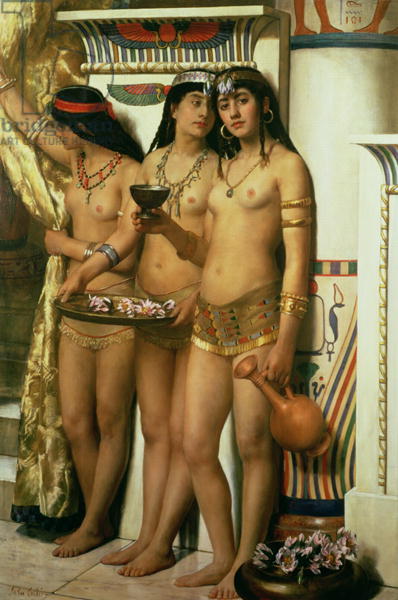
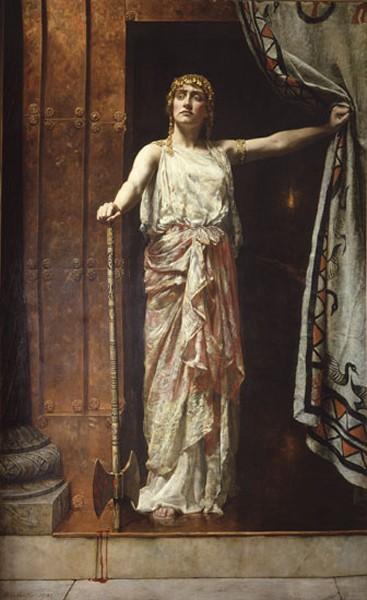
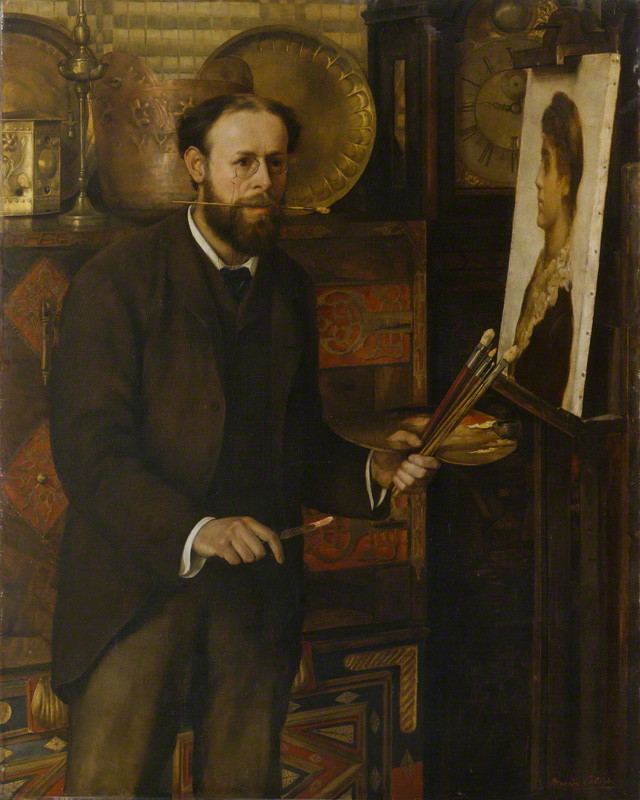
The Honourable John Maler CollierOBERPROI (27 January 1850 – 11 April 1934) was a leading English artist, and an author.[1] He painted in the Pre-Raphaelite style, and was one of the most prominent portrait painters of his generation. Both his marriages were to daughters of Thomas Henry Huxley. He studied painting at the Munich Academy where he enrolled on 14 April 1875 (Register: 3145) at the age of 25.
In due course, Collier became an integral part of the family of Thomas Henry HuxleyPC, President of the Royal Society from 1883 to 1885. Collier married two of Huxley’s daughters and was “on terms of intimate friendship” with his son, the writer Leonard Huxley. Collier’s first wife, in 1879, was Marian (Mady) Huxley. She was a painter who studied, like her husband, at the Slade and exhibited at the Royal Academy and elsewhere. After the birth of their only child, a daughter, she suffered severe post-natal depression and was taken to Paris for treatment where, however, she contracted pneumonia and died in 1887. Collier’s daughter by his first marriage, Joyce, was a portrait miniaturist, and a member of the Royal Society of Miniature Painters.
In 1889 Collier married Mady’s younger sister Ethel Huxley.[2] Until the Deceased Wife’s Sister’s Marriage Act 1907 such a marriage was not possible in England, so the ceremony took place in Norway. By his second wife he had a daughter and a son, Sir Laurence Collier, who was the British Ambassador to Norway 1941–51.
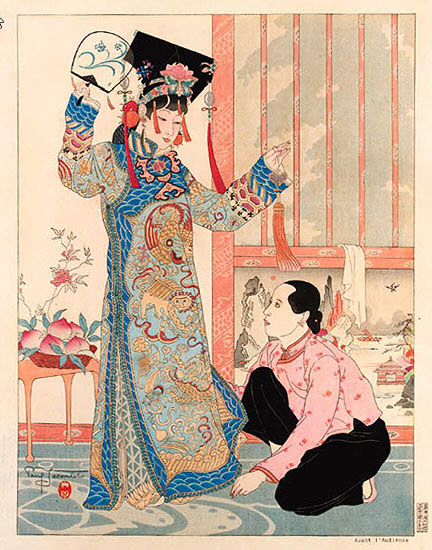
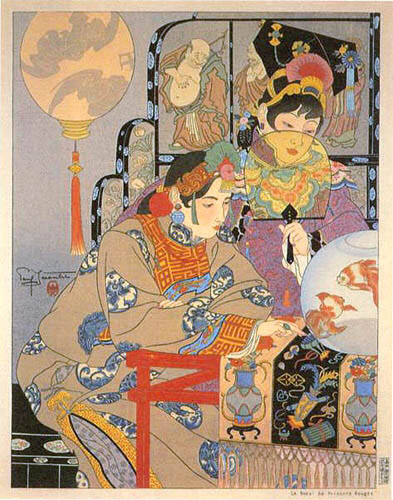
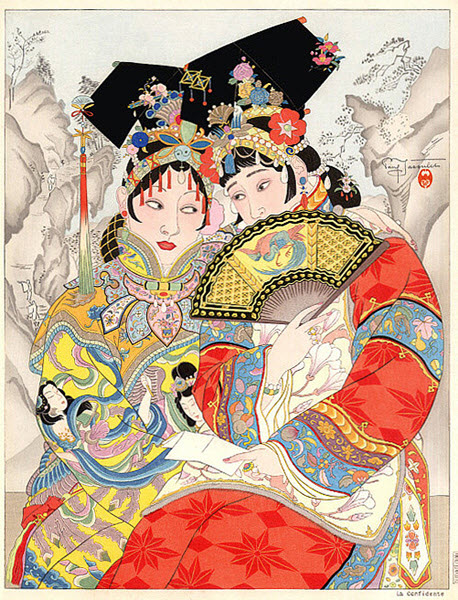
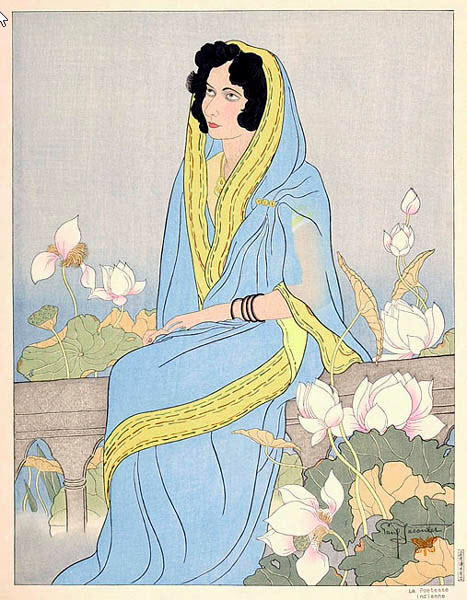
As you will see, Mr. Collier definitely had an eye for the ladies, and unlike many of his contemporaries actually seemed to find attractive models for his work. Enjoy!
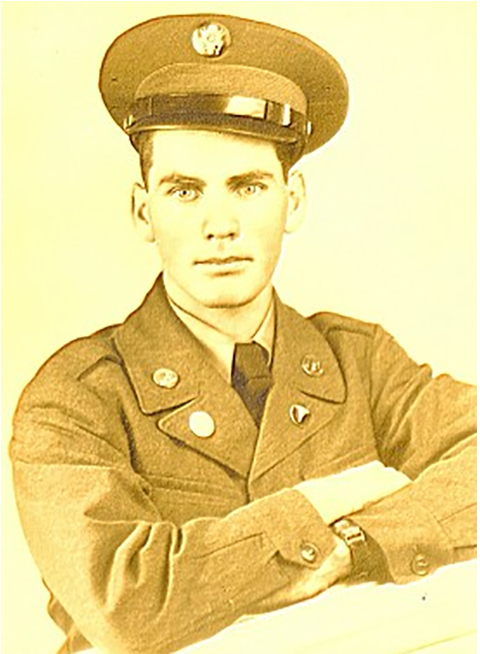
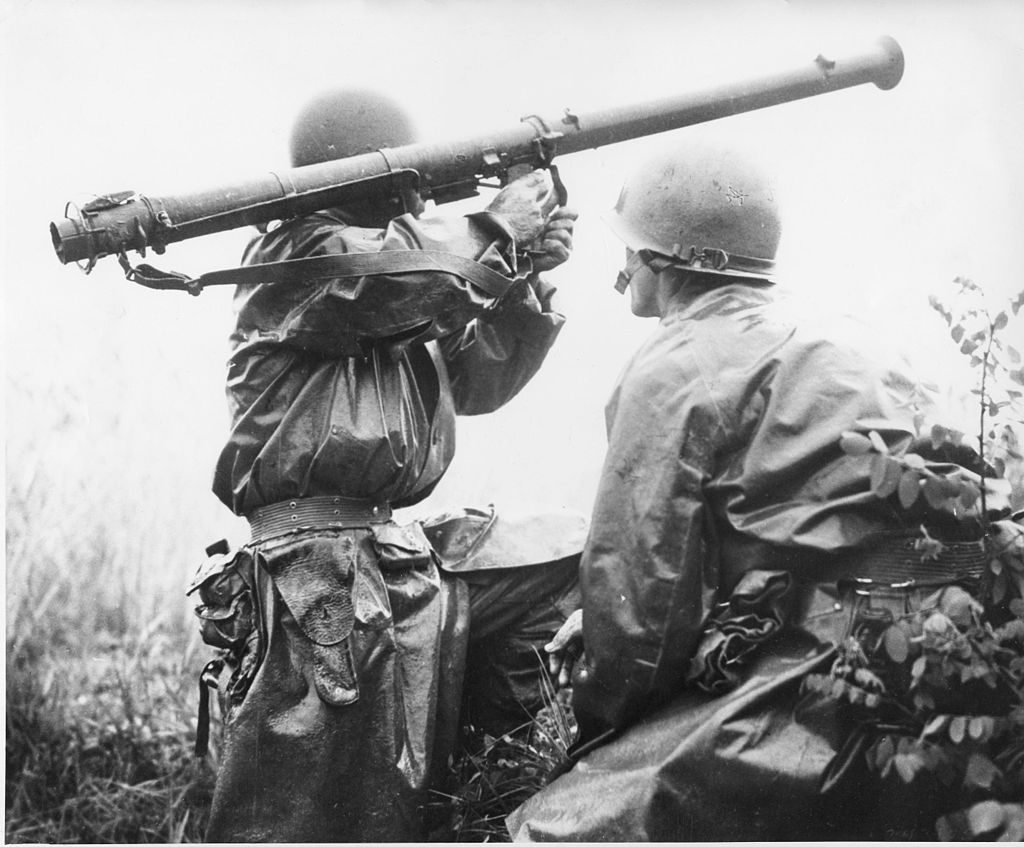
About 90 minutes after Task Force Smith began its withdrawal from the Battle of Osan, the 34th Infantry sent Shadrick as part of a small scouting force northward to the village of Sojong-ni, 5 miles (8.0 km) south of Osan.[3] The small force, under the command of Lieutenant Charles E. Payne and consisting mostly of bazooka teams and infantry, halted at a graveyard in the village,[13] where they spotted a North Korean T-34/85 tank on a road to the north. Shadrick and the other bazooka operators began firing on the tank from long-range concealed positions[3] at around 16:00.[14] With them was Sergeant Charles R. Turnbull, a US Army combat photographer.[15] Turnbull asked Shadrick to time a bazooka shot so its flash could be caught in Turnbull’s photograph, and Shadrick complied.[3][13] Shadrick made the shot and paused, then rose from his concealed position to see if he had successfully hit the tank, exposing himself. The T-34 returned fire with its machine gun, and two bullets struck Shadrick in the chest and arm. Shadrick died moments later.
…
Subsequent publications have shed doubt on the accuracy of the claims of Shadrick’s distinction. Eyewitness accounts at the Battle of Osan point to the first death as a machine gunner in the 21st Infantry Regiment, who had been killed at around 08:30, eight hours before Shadrick’s death. This soldier was killed when a different T-34 tank was disabled at the battle and one of its crew members attacked nearby troops with a PPSh-41 “Burp Gun”. In the confusion of the battle, many of the wounded and dead troops were left behind by retreating American troops, and a large part of the force was also captured; consequently, the identity of this first combat fatality remains a mystery.
Either way, the carnage that began in Sarjevo in 1914 continued its long march through the Twentieth Century. We’re still not done with it today.


_by_John_Collier.jpg)