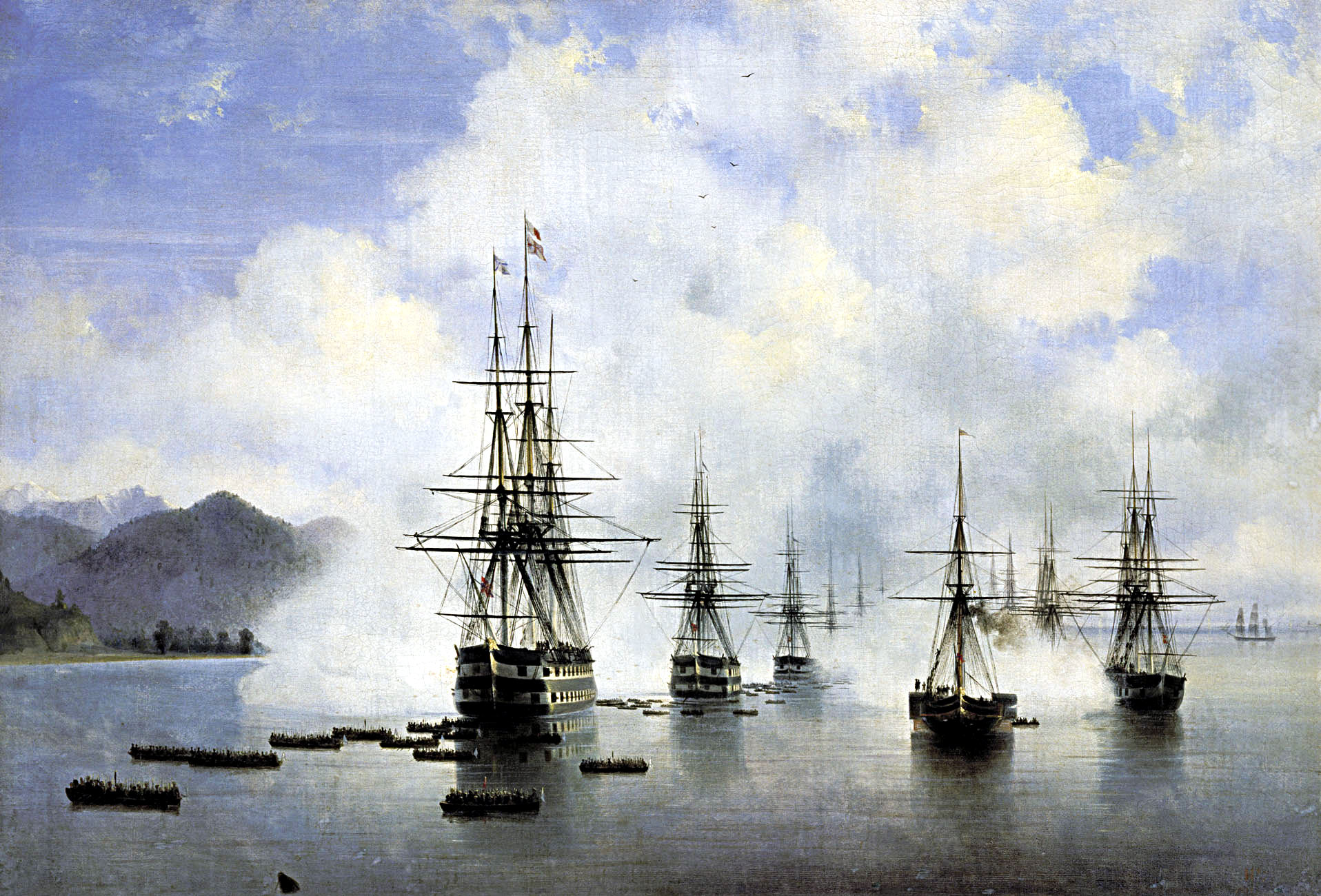
On this day in history in 1865 General Kirby Smith, Commander of the Confederate forces west of the Mississippi, surrendered, bringing about the traditional end of the American Civil War. Whether the War actually ended then or that the South actually lost are still undecided, considering current events…
Today in 1926 Marylin Monroe was born. Nice looking lady, but, as a kid, I never got all the fuss about her…
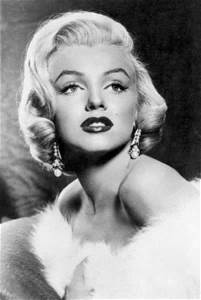
…because my young heart had been captured by a contemporary of hers, named Lauren Bacall.

Hubba. Hubba.
Maxfield Parrish Week at TechnoChitlins
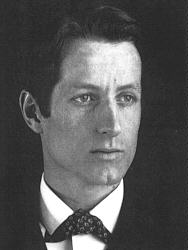
Wikipedia:
Maxfield Parrish (July 25, 1870 – March 30, 1966) was an American painter and illustrator active in the first half of the 20th century. He is known for his distinctive saturated hues and idealized neo-classical imagery.
Born in Philadelphia, Pennsylvania, he was the son of painter and etcher Stephen Parrish. He began drawing for his own amusement as a child. His given name was Frederick Parrish, but he later adopted the maiden name of his paternal grandmother, Maxfield, as his middle name, and later as his professional name. His father was an engraver and landscape artist, and young Parrish’s parents encouraged his talent.
He attended the Haverford School, Haverford College, and the Pennsylvania Academy of the Fine Arts, and later at Drexel Institute of Art, Science & Industry. But he was also exposed to the landscapes, art, and architecture of Europe in his youth. During a stay in Europe with his parents during 1894-96, Parrish studied at the Paris school of a Dr. Kornemann, and in the summer of 1895 he traveled to London and Brussels. During 1901-02, he journeyed through parts of the American Southwest, said to have influenced his sense of the color possibilities of natural landscapes (he visited Colorado again in 1920). In 1903 he traveled to Italy to study the scenery and architecture as research for a commission, and while in Europe he once again visited Paris.
Parrish entered into an artistic career that lasted for more than half a century, and which helped shape the Golden Age of illustration and the future of American visual arts.
It was really hard to find good hi-res examples of this guy’s artwork- it is mostly hidden behind paywalls and such. But the next few pics are a pretty good representation, I think.
A Darkship Bleg
NOTE: This post has been stuck to the top for the time being. Newer posts are below…
Unstickied 6/5/2016 5:03 PM
I do not do advertisements. This blog is where I put up pretty pictures and occasionally post caustic comments on current catastrophes (YSWIDT?). But it has come to my attention that someone I know and love (though she doesn’t know me from Adam) is unwell and could use a little support.
Sarah Hoyt is a scifi author of no little renown, an immigrant and naturalized American originally from Portugal. The stories she writes are topnotch to say the least. She has a blog, According to Hoyt, which you might find entertaining.
How can I help, you say? Well, she has no Kickstarter, and doesn’t beg. She might possibly be mortified by what I’m doing here, so let’s keep it on the down-low, OK?
I’m a firm believer in combining good deeds with entertainment, and since she is an author, I can think of no better way to help her out than to put up links to some of her books. There are others, equally good (did I mention she’s an excellent writer?), but these are the ones that stuck with me the most. The links are to the Kindle versions but feel free to buy the paperback or hardback versions- hell, buy all three!
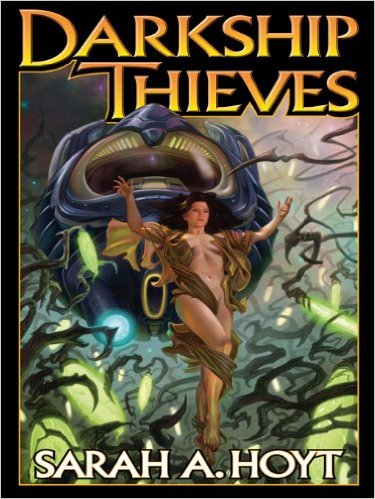
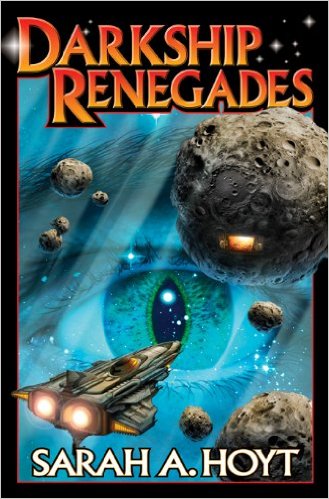
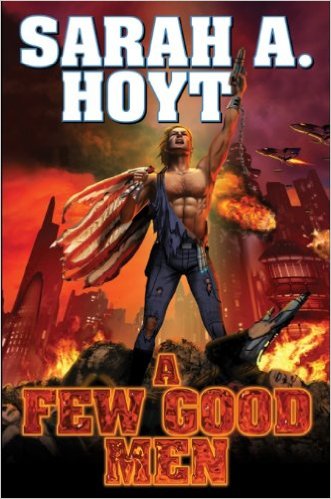
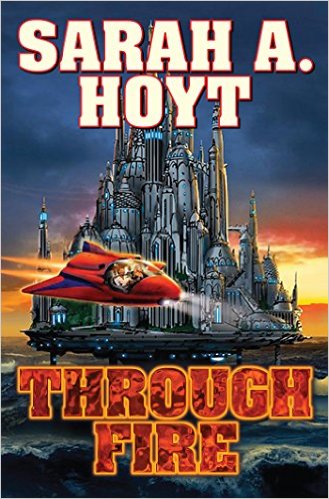
I am a proud Usain. You can be, too!
One favor- if you do buy one of the books (though you really should buy all four), drop her a note on the blog, and tell her I said to ask her to send you a copy of her famous audio file of her saying “Moose & Squirrel”. Perhaps she will send you a copy.
Yes they are
Large & Small
Ivan Aivazovsky – The Ninth Wave -1850
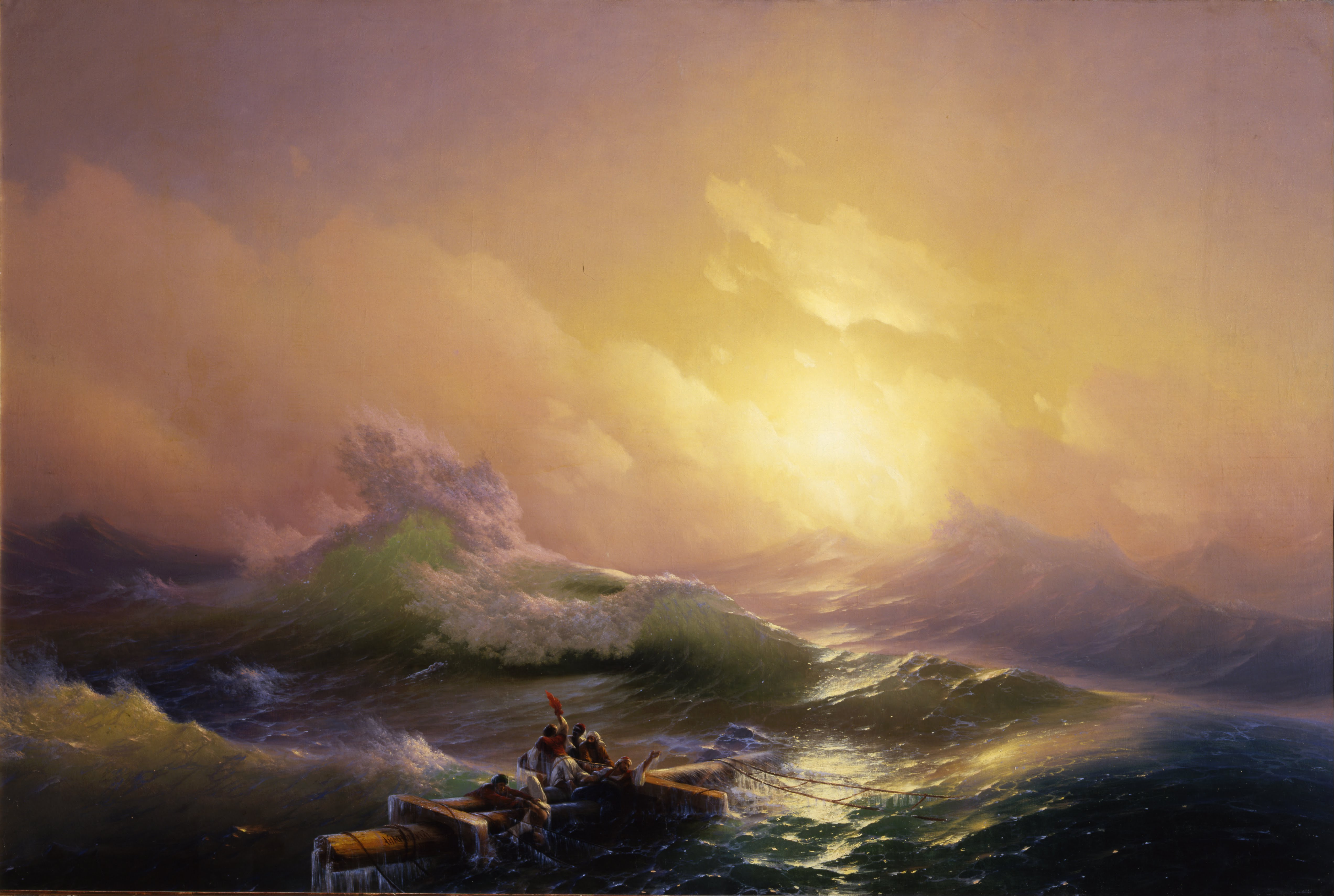
“Life is Change, how it differs from the rocks…”

Changed the blog theme again! Yay me!
Extra credit if you can name the source of the quote in the title…
Aweigh
Ivan Aivazovsky – Lunar Night on Capri – 1841
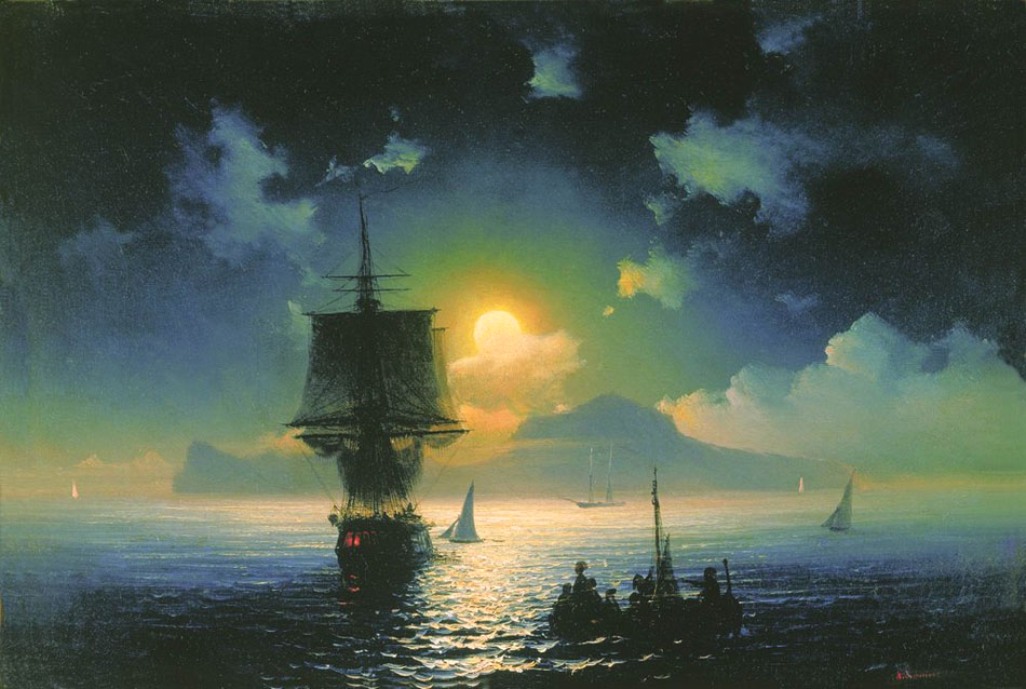
Breaking
Ivan Aivazovsky – Exchange of Peterburg – 1847
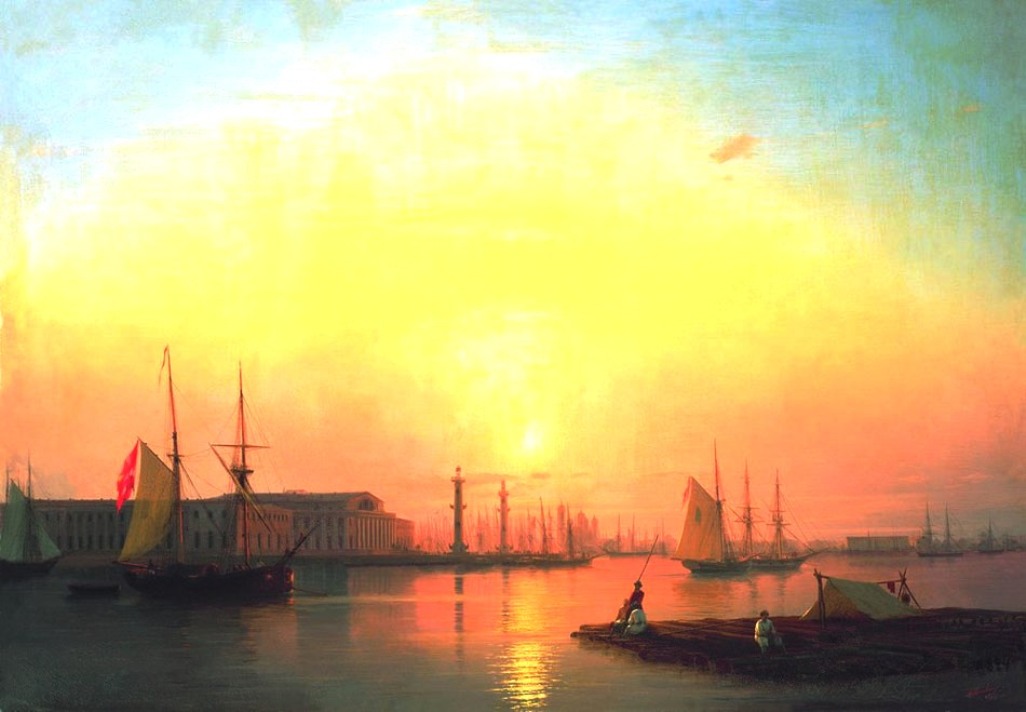
At Rest
Ivan Aivazovsky – The Bay Golden Horn – 1845
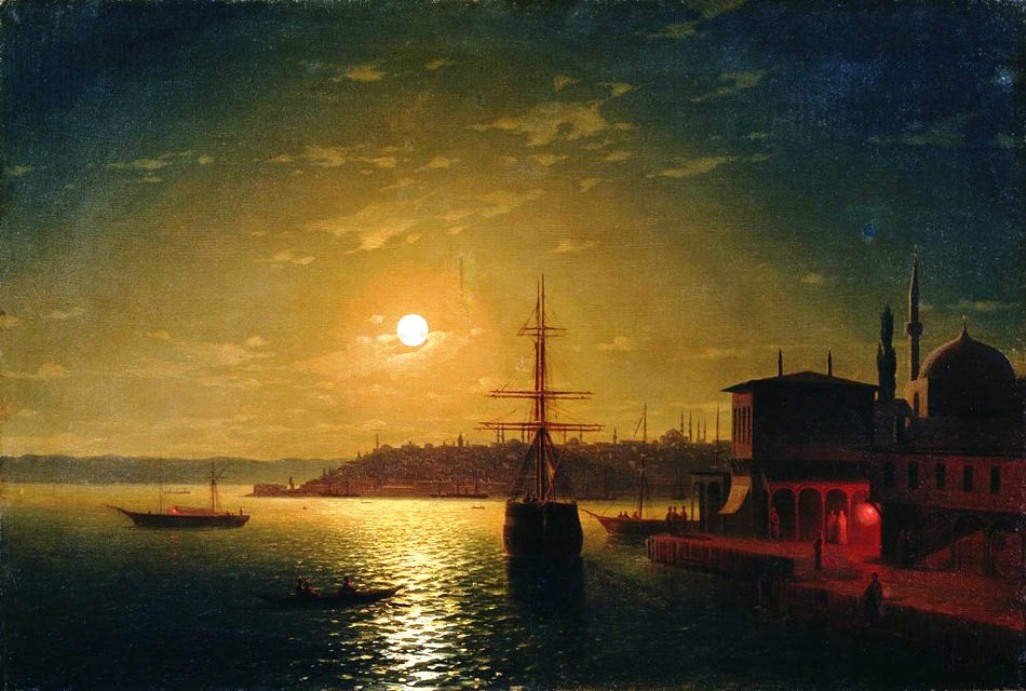
Dover Beach – A poem by Matthew Arnold
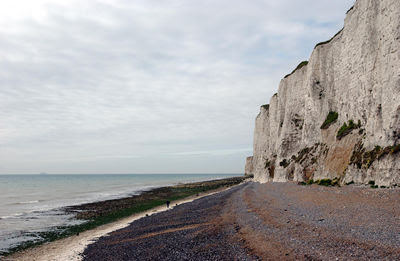
The sea is calm to-night.
The tide is full, the moon lies fair
Upon the straits; – on the French coast the light
Gleams and is gone; the cliffs of England stand,
Glimmering and vast, out in the tranquil bay.
Come to the window, sweet is the night-air!
Only, from the long line of spray
Where the sea meets the moon-blanch’d land,
Listen! you hear the grating roar
Of pebbles which the waves draw back, and fling,
At their return, up the high strand,
Begin, and cease, and then again begin,
With tremulous cadence slow, and bring
The eternal note of sadness in.
Sophocles long ago
Heard it on the Aegean, and it brought
Into his mind the turbid ebb and flow
Of human misery; we
Find also in the sound a thought,
Hearing it by this distant northern sea.
The Sea of Faith
Was once, too, at the full, and round earth’s shore
Lay like the folds of a bright girdle furl’d.
But now I only hear
Its melancholy, long, withdrawing roar,
Retreating, to the breath
Of the night-wind, down the vast edges drear
And naked shingles of the world.
Ah, love, let us be true
To one another! for the world, which seems
To lie before us like a land of dreams,
So various, so beautiful, so new,
Hath really neither joy, nor love, nor light,
Nor certitude, nor peace, nor help for pain;
And we are here as on a darkling plain
Swept with confused alarms of struggle and flight,
Where ignorant armies clash by night.
Matthew Arnold 1849
Teletubby Industrial
This… is where modern technology has brought us.
Not Jupiter
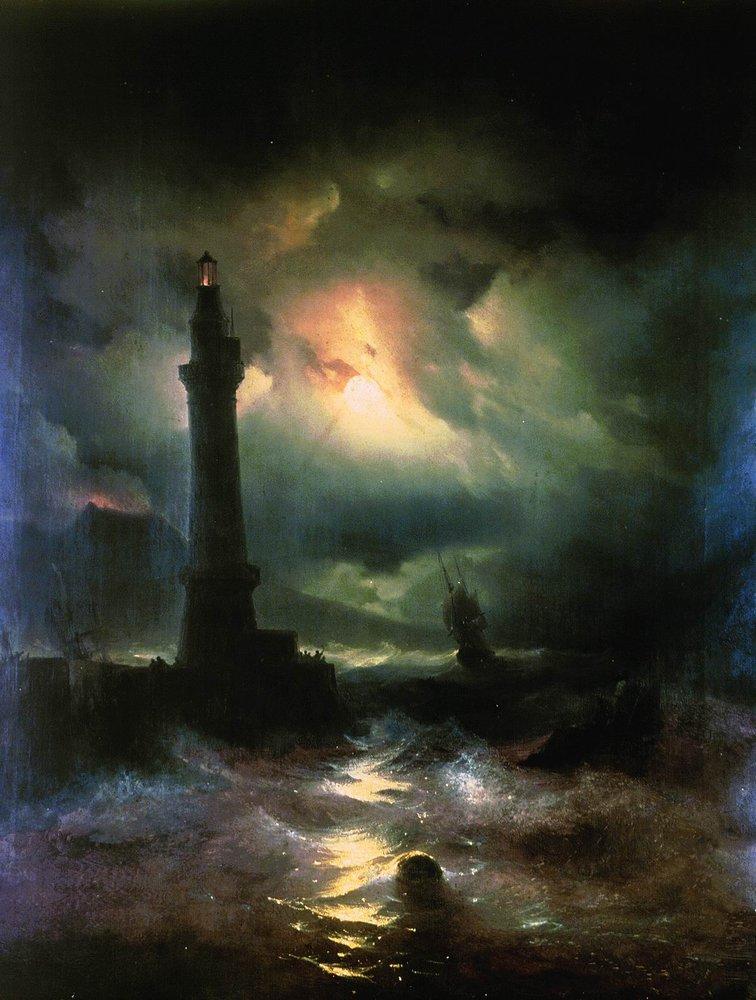
Ivan Aivazovsky – Neapolitan Lighthouse — 1842
Careful what you wish for…
A glimpse at a possible future. I find it highly disturbing.
via Goodshit
Arrive
Ivan Aivazovsky – The Landing at Subashi-1839