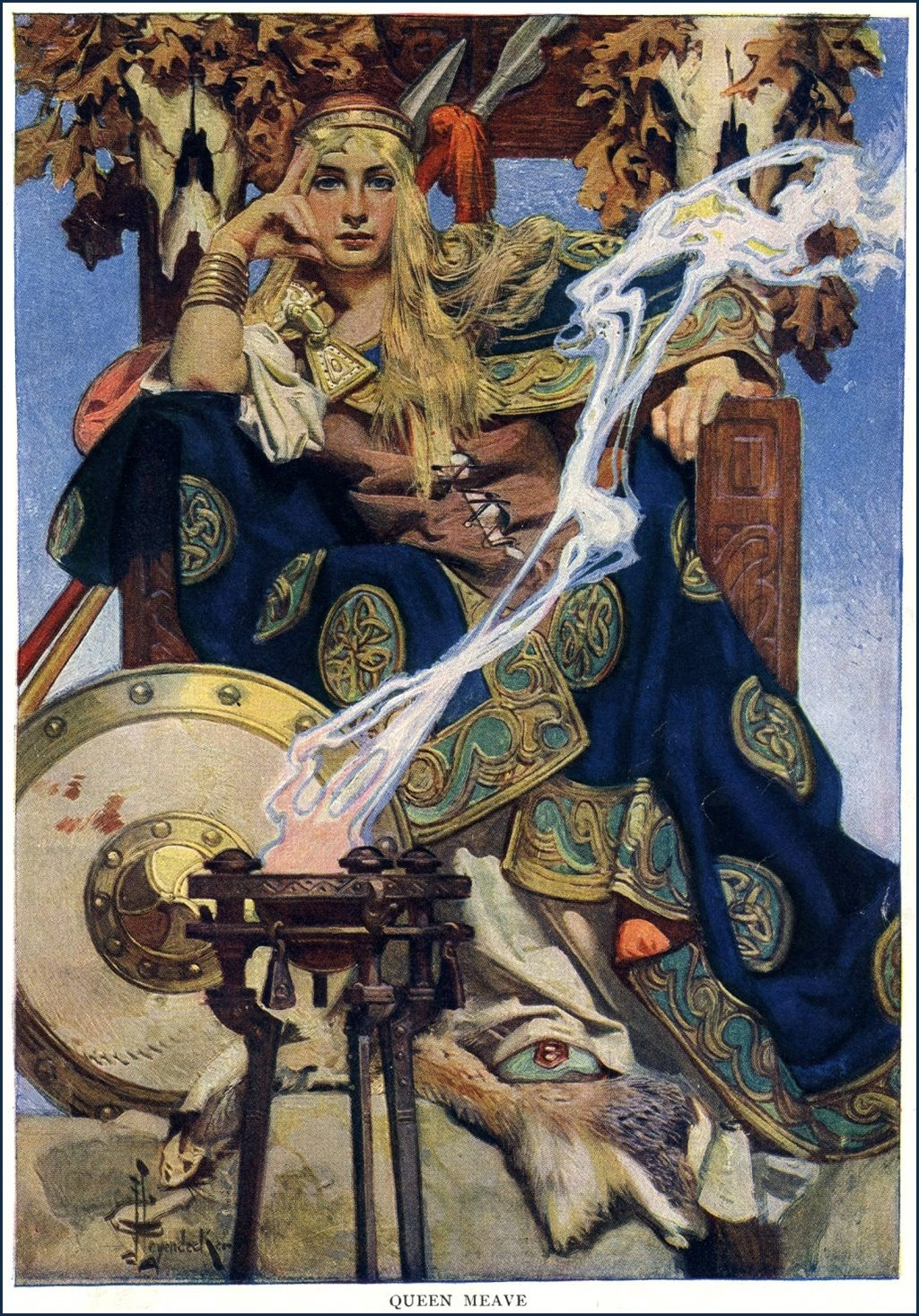
Leyendecker – Queen Maeve, Waddell, Celtic Myth


…art, music, and opinions from Lower Alabama
Leyendecker – Queen Maeve, Waddell, Celtic Myth
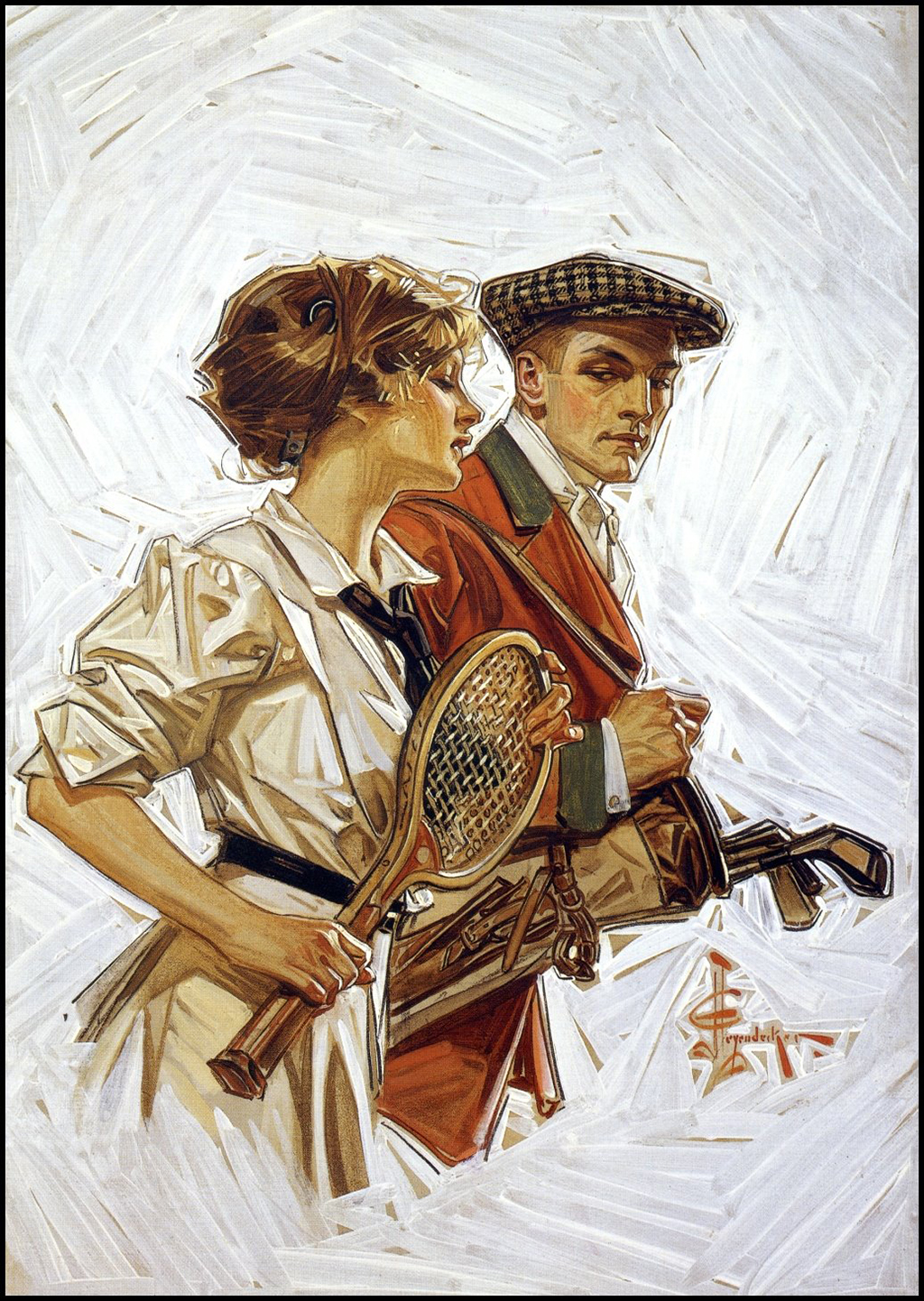
Leyendecker – Golf or Tennis c1910
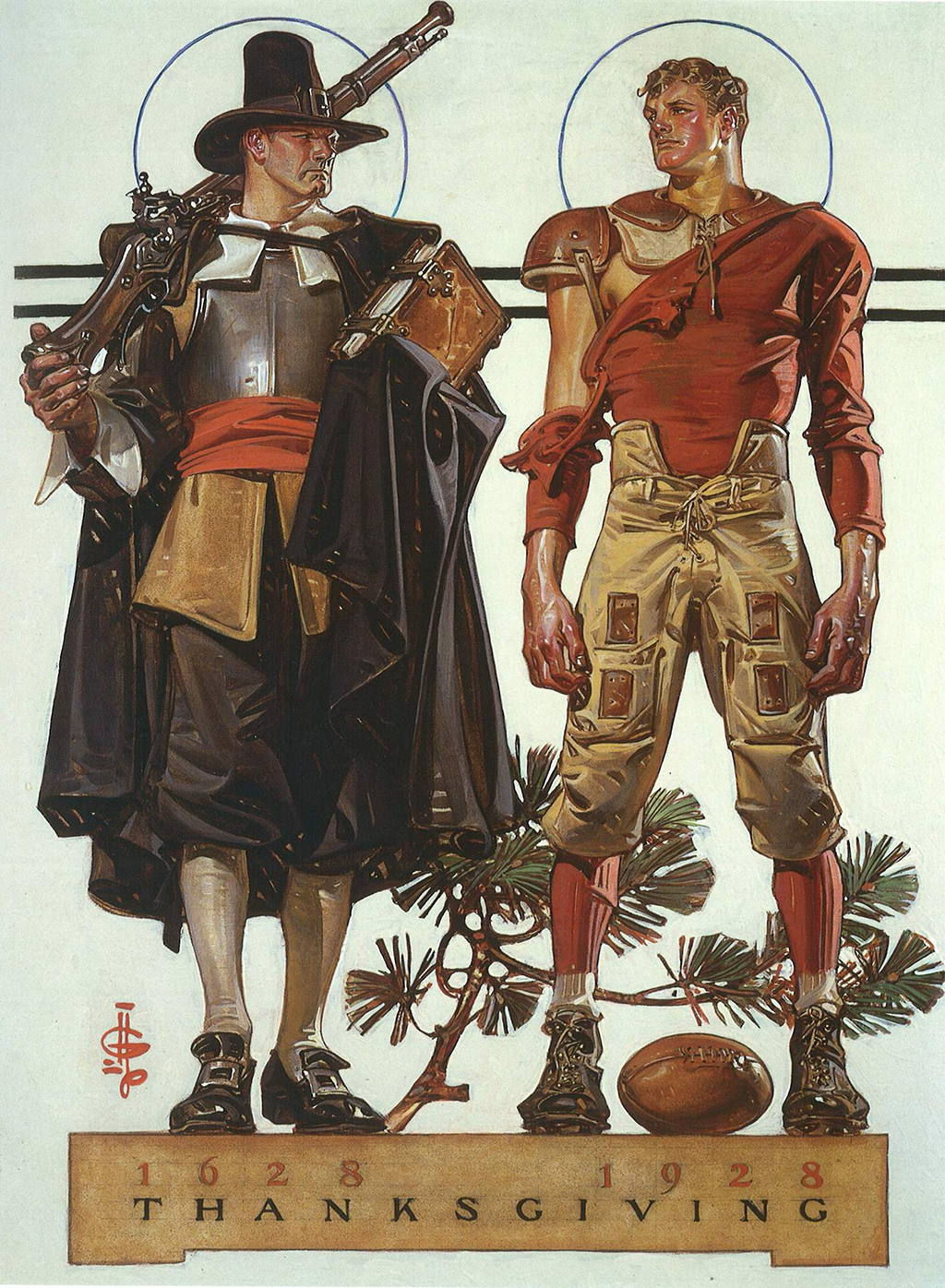
Leyendecker – Saturday Evening Post-Thanksgiving c1928
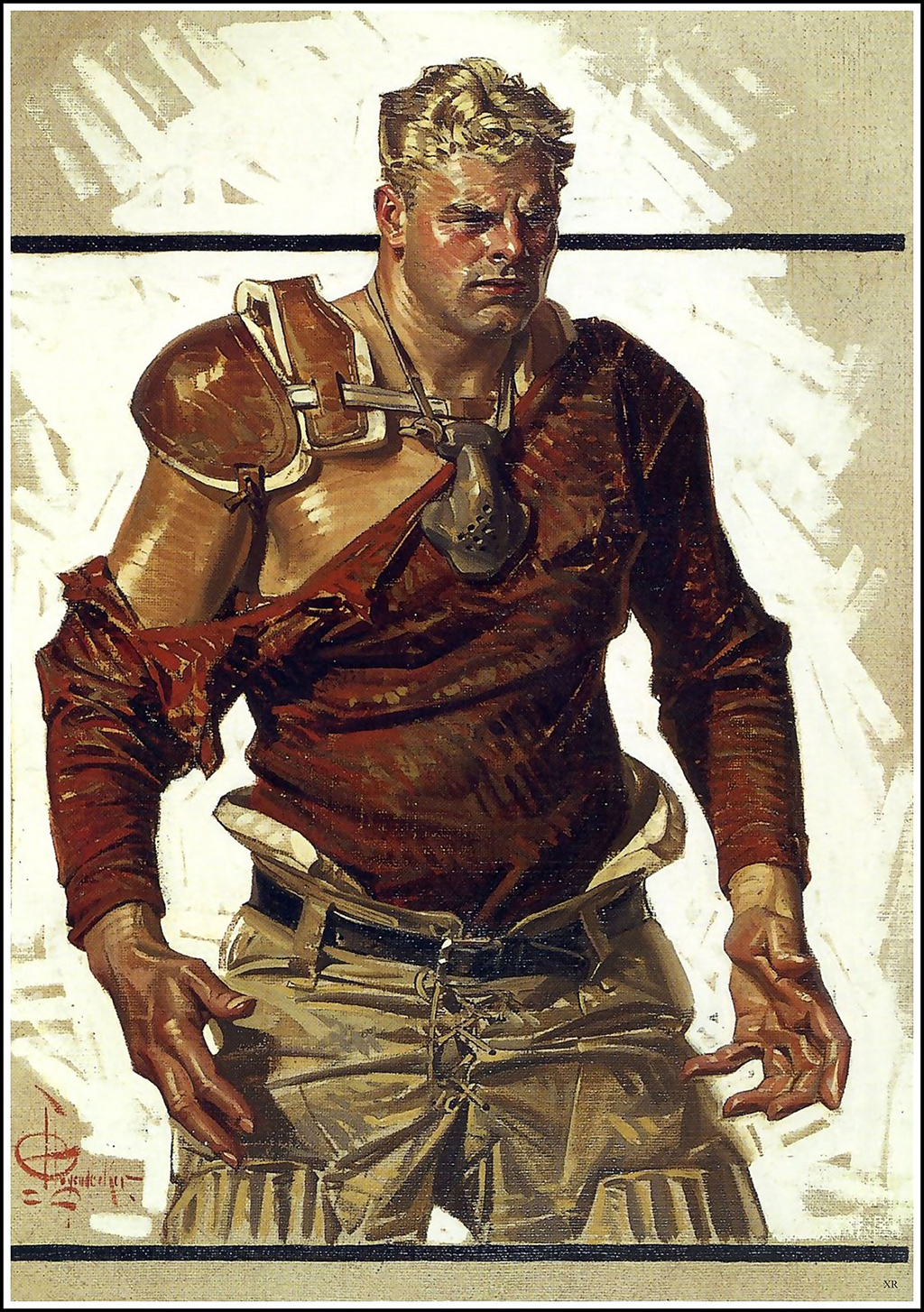
Leyendecker – Football Hero postcard
Infogalactic:
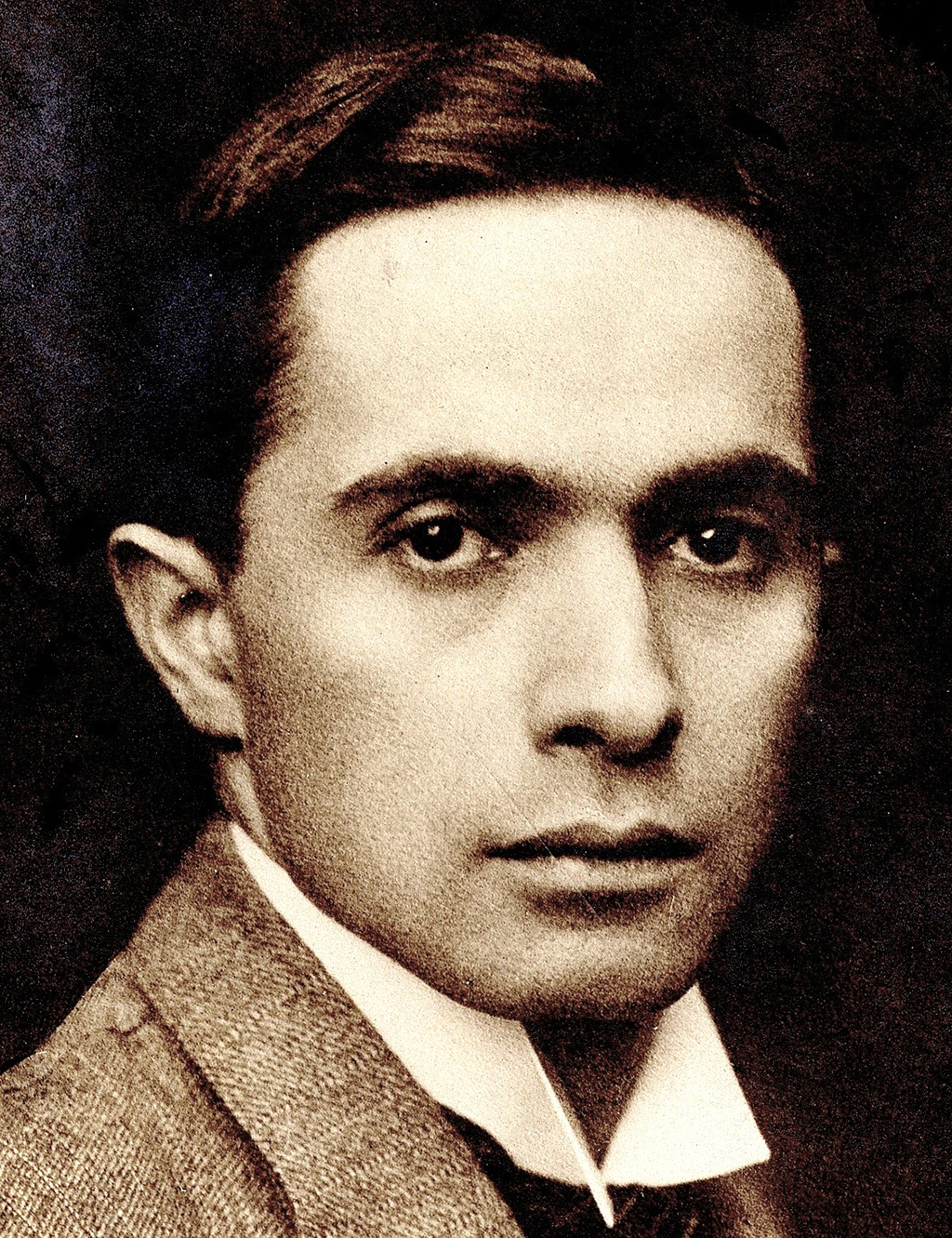
Joseph Christian Leyendecker (March 23, 1874 – July 25, 1951) was one of the preeminent American illustrators of the early 20th century. He is best known for his poster, book and advertising illustrations, the trade character known as The Arrow Collar Man, and his numerous covers for The Saturday Evening Post.[1][2] Between 1896 and 1950, Leyendecker painted more than 400 magazine covers. During the Golden Age of American Illustration, for The Saturday Evening Post alone, J. C. Leyendecker produced 322 covers, as well as many advertisement illustrations for its interior pages. No other artist, until the arrival of Norman Rockwell two decades later, was so solidly identified with one publication.[3] Leyendecker “virtually invented the whole idea of modern magazine design.”[4]
Joseph Christian Leyendecker (‘J. C.’ or ‘Joe’) was born on March 23, 1874, at Montabour in Southwest Germany, a tiny villiage on the Rhine, to Peter Leyendecker (1838–1916) and Elizabeth Oreseifen Leyendecker (1845–1905). Joseph was the first-born son, his brother Francis Xavier was born three years later. A sister, Augusta, the third and last child, arrived after the family emigrated to America.[5]
In 1882, the Leyendecker family immigrated to Chicago, Illinois, where Elizabeth’s uncle had founded the successful McAvoy Brewing Company. After working in late adolescence for a Chicago engraving firm, J. Manz & Company, and completing his first commercial commission of 60 Bible illustrations for the Powers Brothers Company, J. C. sought formal artistic training at the school of the Chicago Art Institute.[6]
After studying drawing and anatomy under John H. Vanderpoel at the Chicago Art Institute, J. C. and younger brother Frank enrolled in the Académie Julian in Paris for a year, where they were exposed to the work of Toulouse-Lautrec, Jules Chéret, and also Alphonse Mucha, a leader in the French Art Nouveau movement.[7][8]
Leyendecker virtually invented the look of modern advertising. His drawings for Kuppenheimer, Arrow Shirt, Collier’s and the Saturday Evening Post basically defined the look of America to the rest of the world in the early Twentieth Century. No less than Norman Rockwell looked to him as an inspiration.
I guess, given today’s weird political climate, I should mention he was also gay at a time when being so could be a problem. However, that doesn’t bear on his immense talent, so I won’t beat that particular drum. Enough that he was a giant in American art.
Enjoy three weeks of a quintessential artist!
Oregon by infrared light. Stunning. View full-screen if you can.
One sunny day very late in January, 2017, an old man approaches the White House from across Pennsylvania Avenue where he’d been sitting on a park bench. He speaks to the U.S. Marine standing guard and says, “I would like to go in and meet with President Obama.”
The Marine looks at the man and says, “Sir, Mr. Obama is no longer President and no longer resides here.” The old man says, “Okay,” and walks away.
The following day the same man approaches the White House and says to the same Marine, “I would like to go in and meet with President Obama.”
The Marine again tells the man, “Sir, as I said yesterday, Mr. Obama is no longer President and no longer resides here.” The man thanks him and again just walks away.
The third day the same man approaches the White House and speaks to the very same U.S. Marine, saying, “I would like to go in and meet with President Obama.”
The Marine, understandably agitated at this point, looks at the man and says, “Sir, this is the third day in a row you have been here asking to speak to Mr. Obama. I’ve told you already that Mr. Obama is no longer the President and no longer resides here. Don’t you understand?”
The old man looks at the Marine and says,“Oh, I understand. I just love hearing it.”
The Marine snaps to attention, salutes, and says, “See you tomorrow, Sir!”
via Classical Values
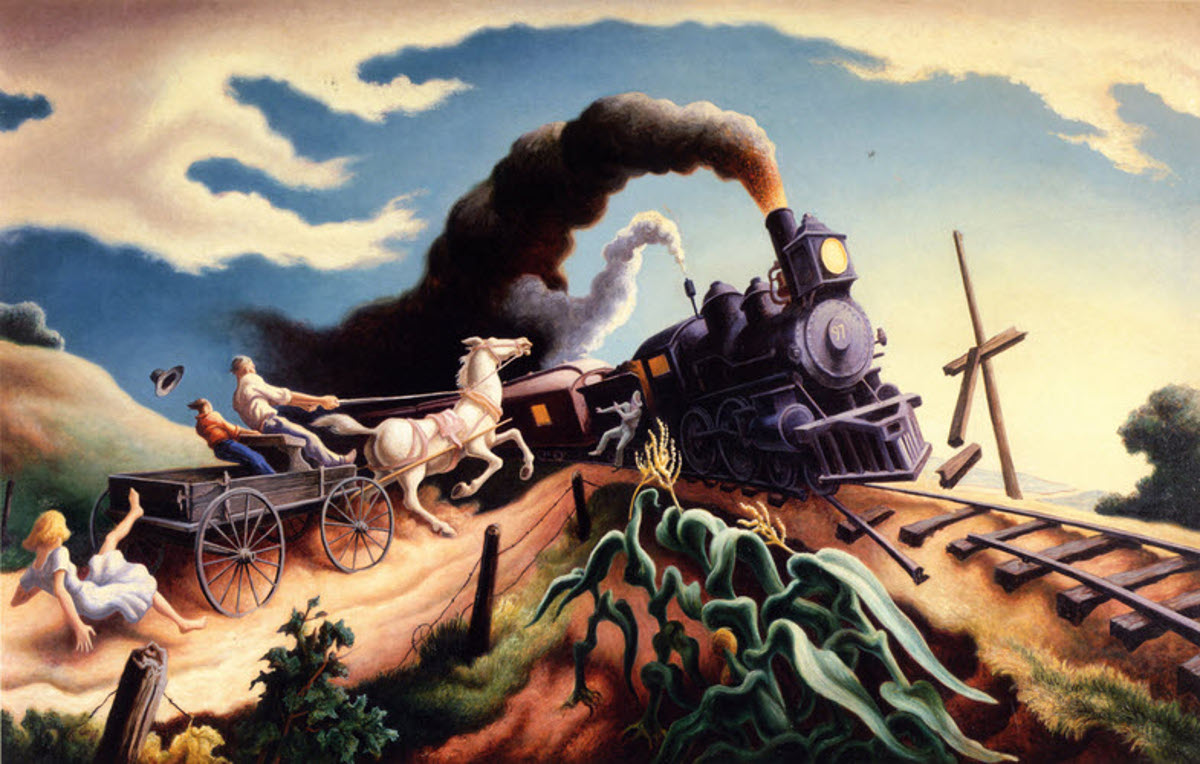
Thomas Hart Benton – Wreck of the Ole 97 Train
Thomas Hart Benton – Achelous and Hercules
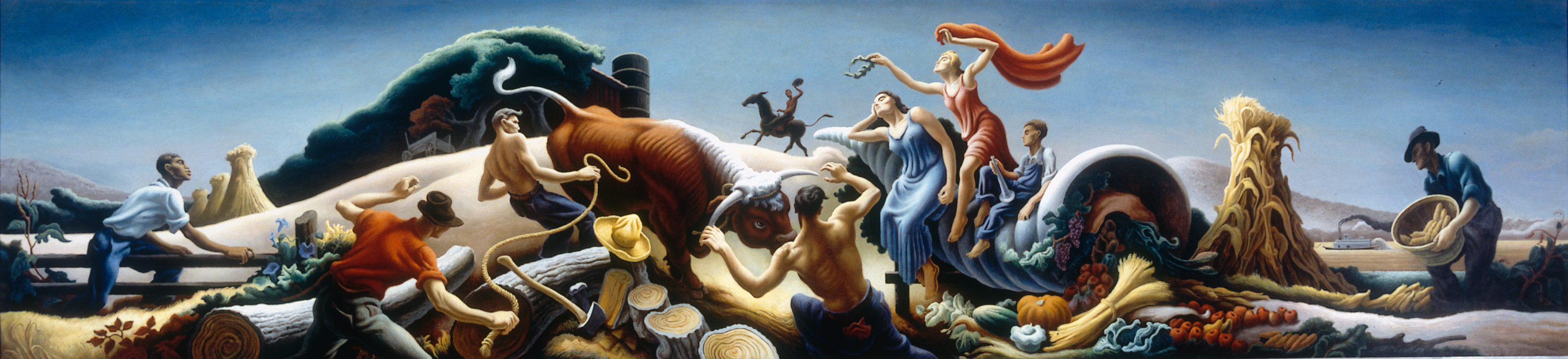
(I hope the size of this doesn’t blow up too many displays…)
Thomas Hart Benton – no title found
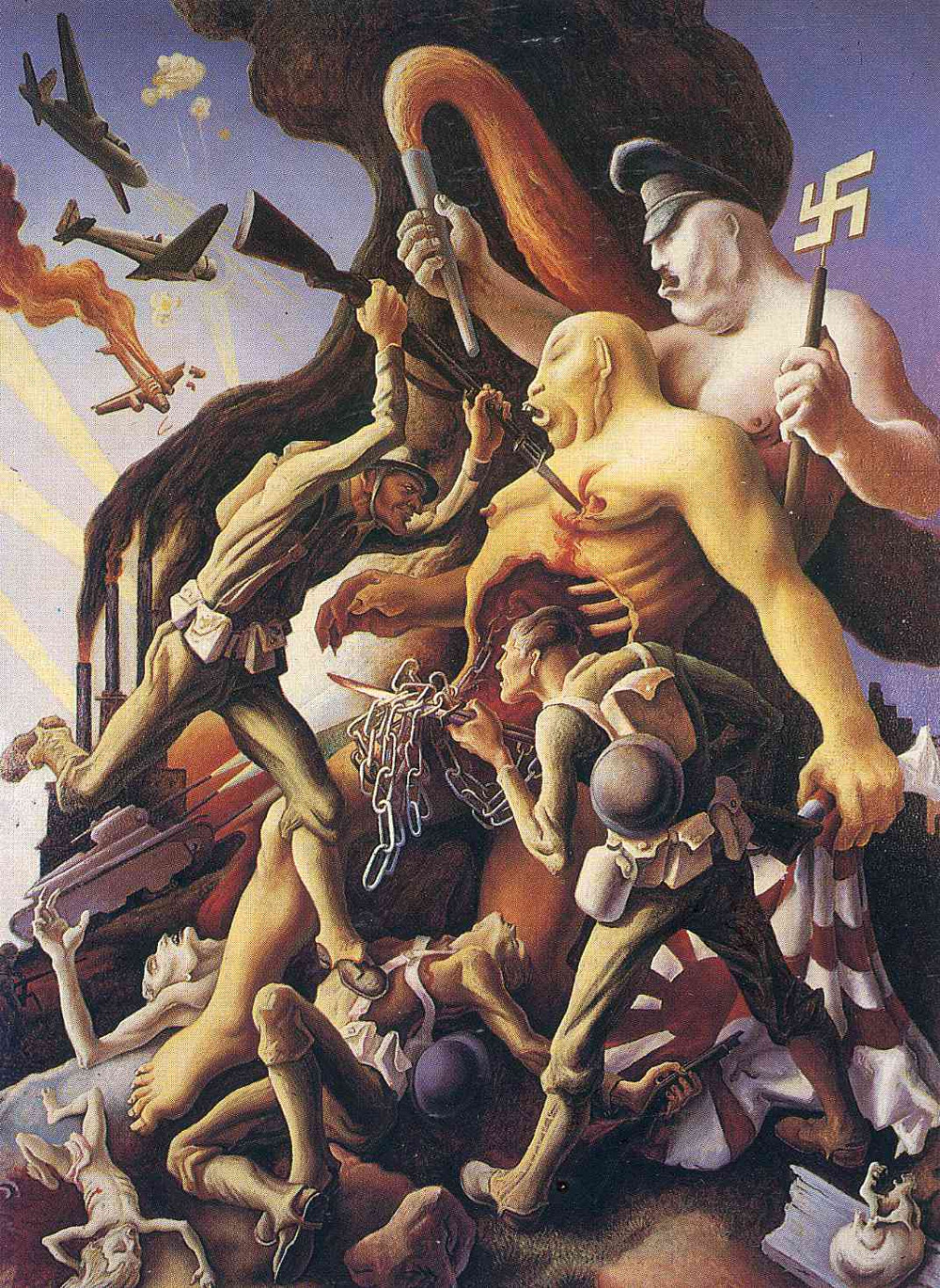
I could find no information on this- obviously done sometime around or during WW2. I included it mainly for the spookiness and high creep factor…
Thomas Hart Benton – The Sources of Country Music
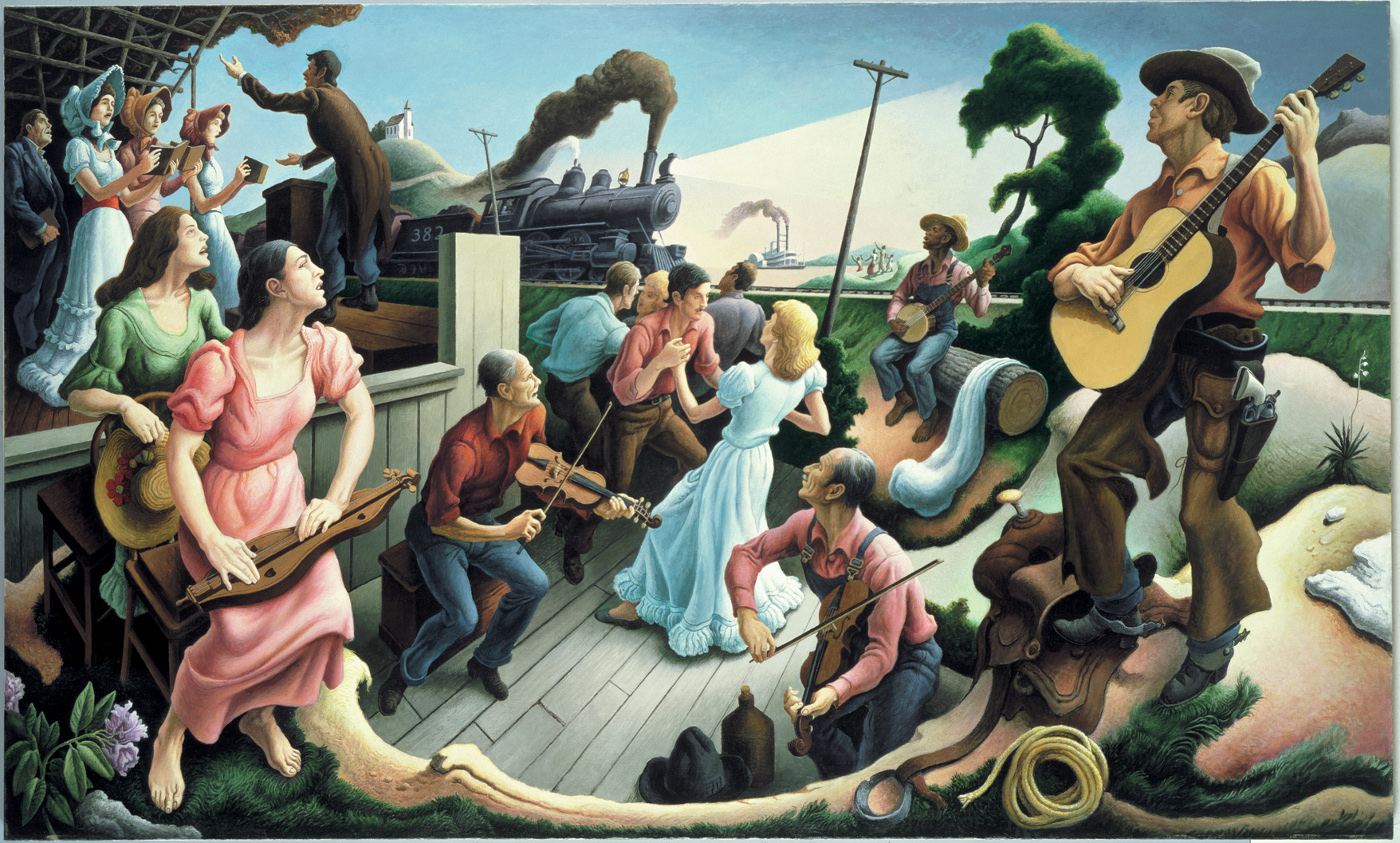
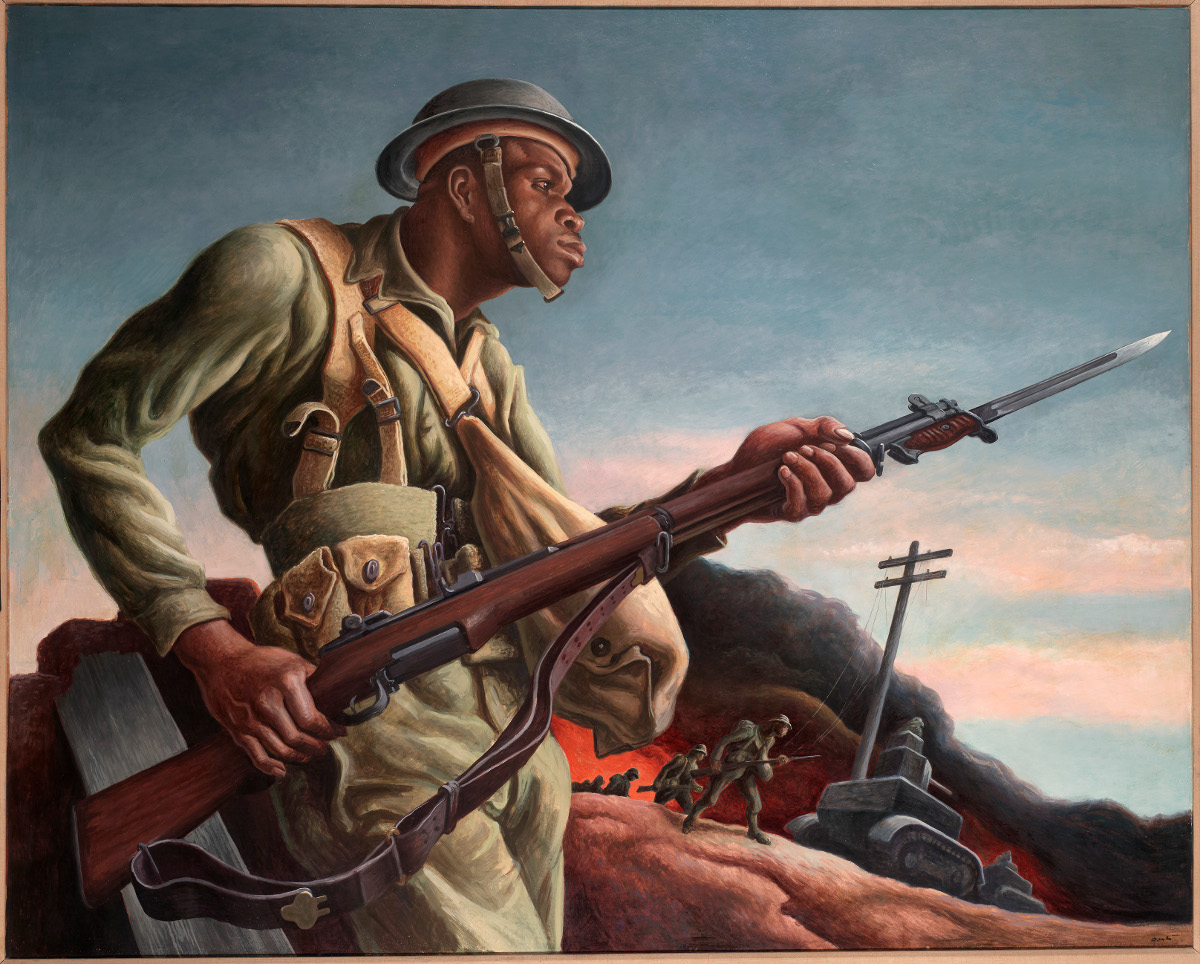
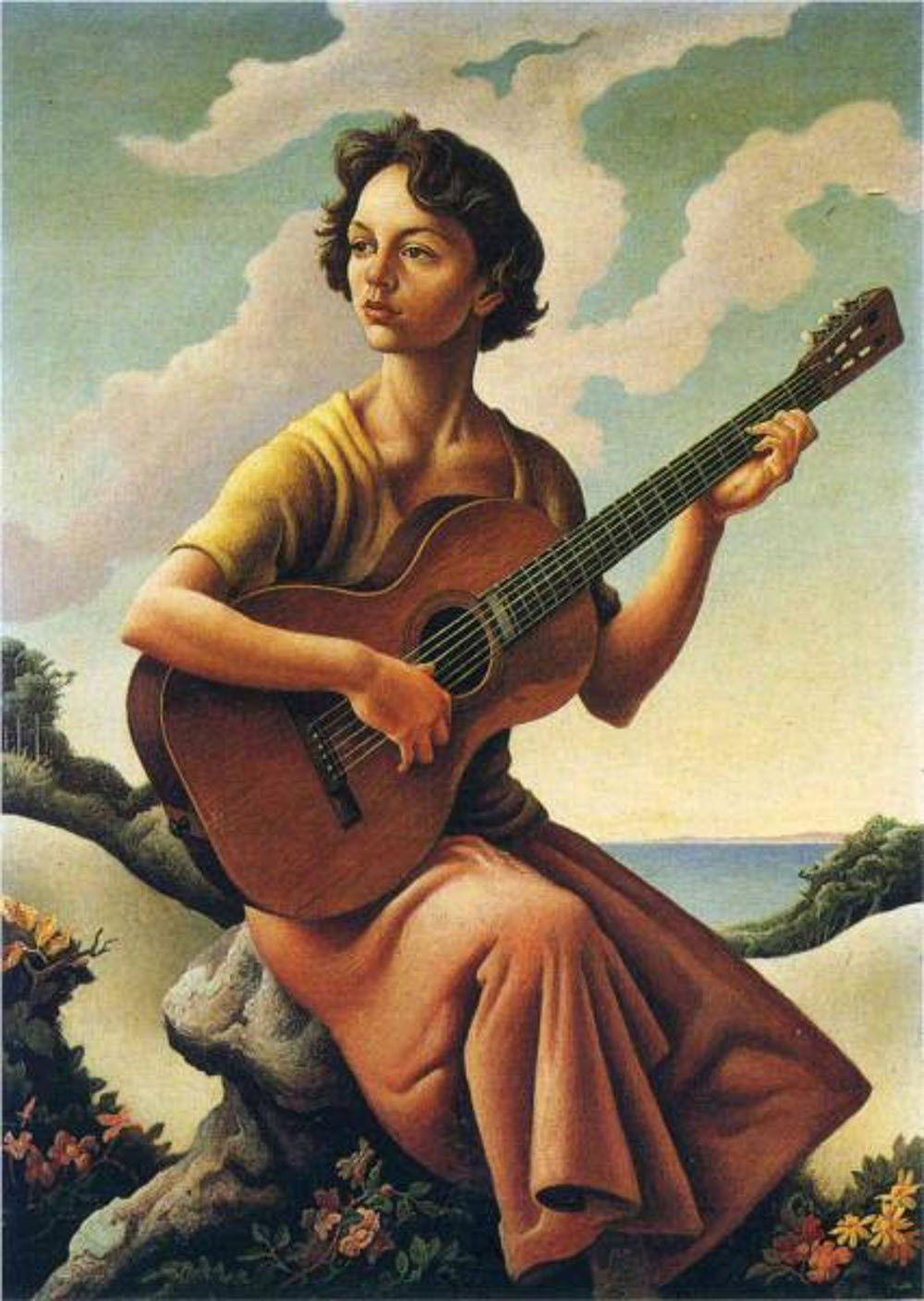
Thomas Hart Benton – Jessie with Guitar
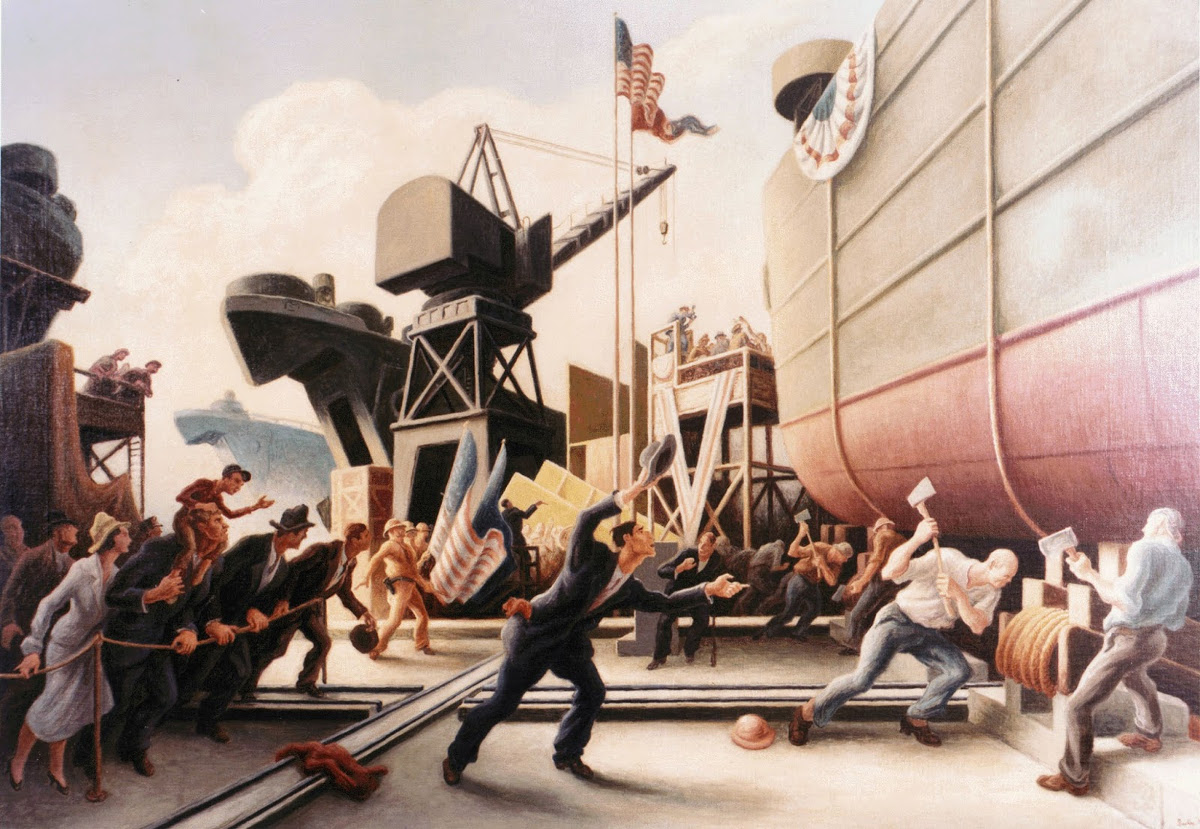
Thomas Hart Benton – Cut the Line
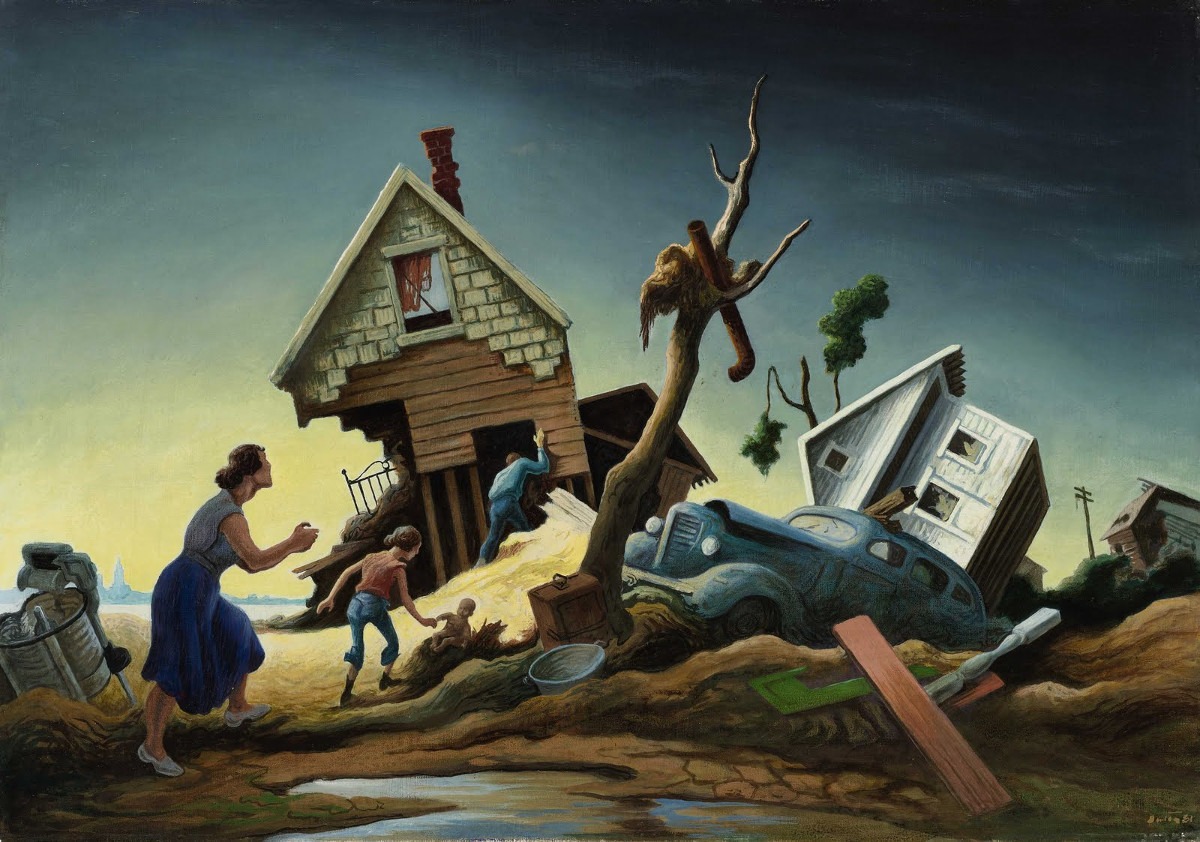
Thomas Hart Benton – Flood Disaster