Peder Severin Krøyer Weeks at TechnoChitlins

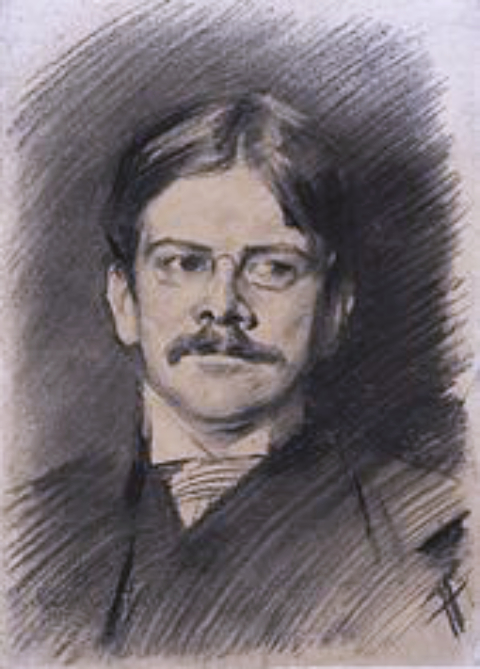
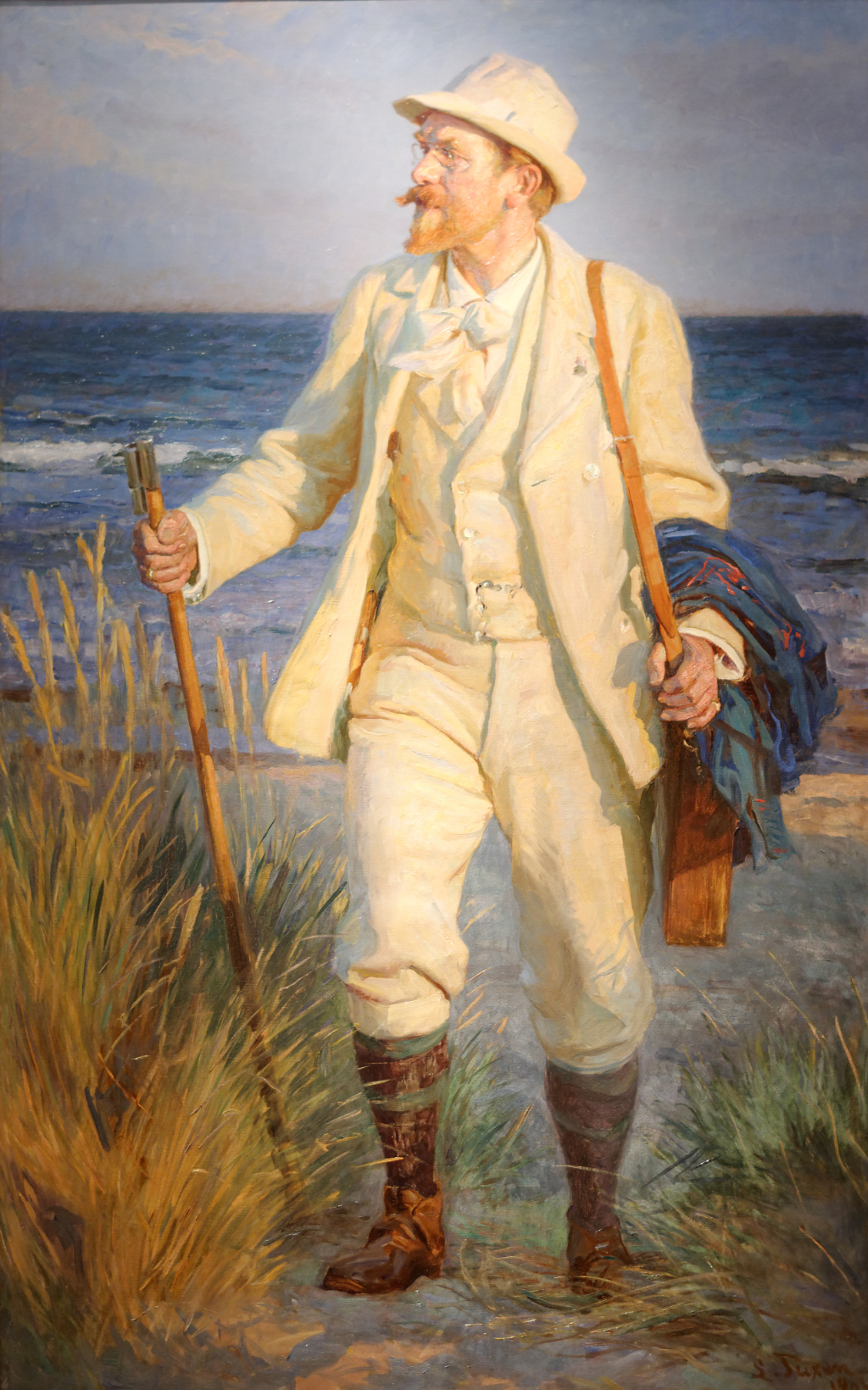
Portrait of Peder Severin Krøyer by Laurits Tuxen

Wikipedia:

Peder Severin Krøyer (Danish pronunciation: [‘peːdə ‘seveʁin ‘kʁøjə]; 23 July 1851 – 21 November 1909), professionally known as P. S. Krøyer, was a Danish painter.

Krøyer was born in Stavanger, Norway, on 23 July 1851 to Ellen Cecilie Gjesdal. He was raised by Gjesdal’s sister, Bertha Cecilie (born 1817) and brother-in-law, the Danish zoologist Henrik Nikolai Krøyer, after his mother was judged unfit to care for him. Krøyer moved to Copenhagen to live with his foster parents soon afterward. Having begun his art education at the age of nine under private tutelage, he was enrolled in Copenhagen’s Technical Institute the following year.

In 1870 at the age of 19 Krøyer completed his studies at the Royal Danish Academy of Art (Det Kongelige Danske Kunstakademi), where he had studied with Frederik Vermehren. In 1873 he was awarded the gold medal, as well as a scholarship.

His official debut as a painter was in 1871 at Charlottenborg with a portrait of a friend, the painter Frans Schwartz. He exhibited regularly at Charlottenborg throughout his life.

In 1874 Heinrich Hirschsprung bought his first painting from Krøyer, establishing a long-standing patronage. Hirschsprung’s collection of art forms the basis of the Hirschsprung Museum in Copenhagen.

Between 1877 and 1881, Krøyer travelled extensively in Europe, meeting artists, studying art, and developing his skills and outlook. He stayed in Paris and studied under Léon Bonnat, and undoubtedly came under the influence of contemporary impressionistsClaude Monet, Alfred Sisley, Edgar Degas, Pierre-Auguste Renoir and Édouard Manet.

He continued to travel throughout his life, constantly drawing inspiration from foreign artists and cultures. Hirschsprung provided financial support during the early travels, and Krøyer continued exhibiting in Denmark throughout this period.

The light; oh, the light! I would love to see his work in person- it must positively glow.
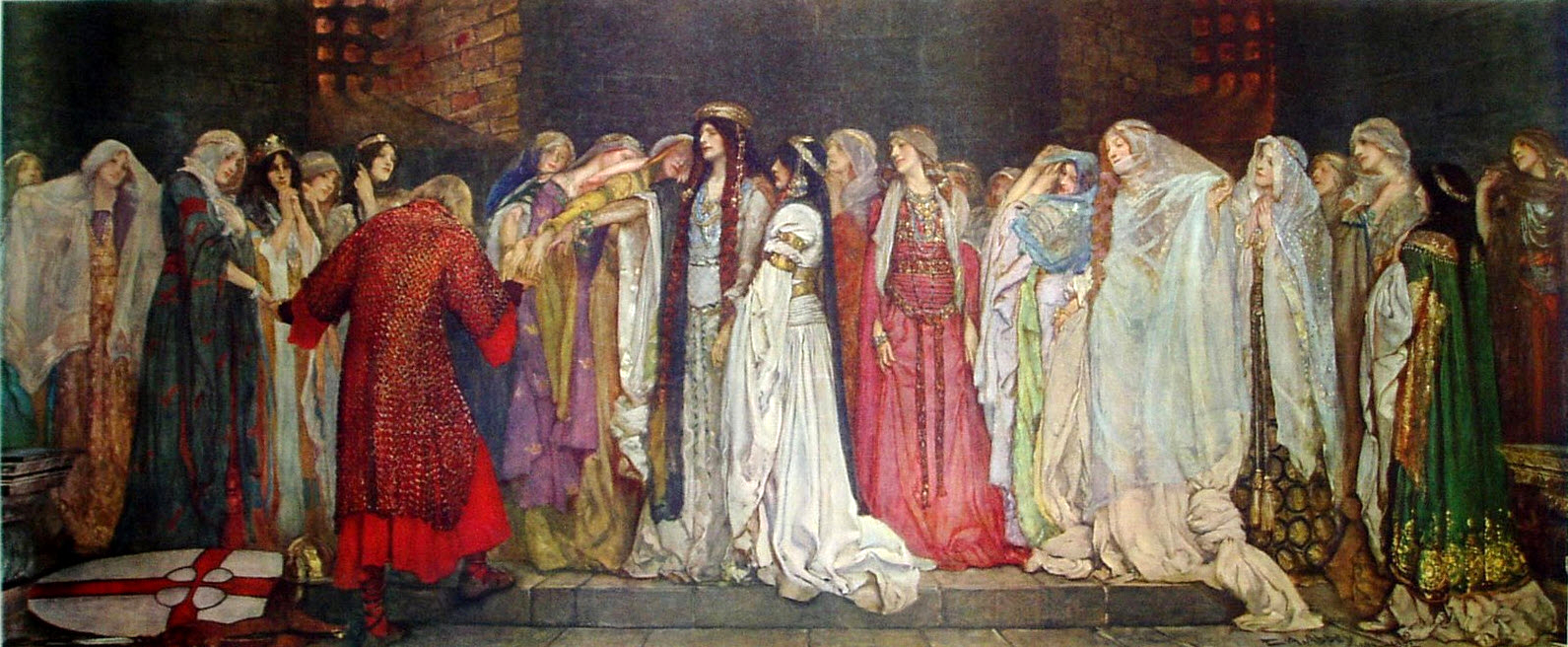
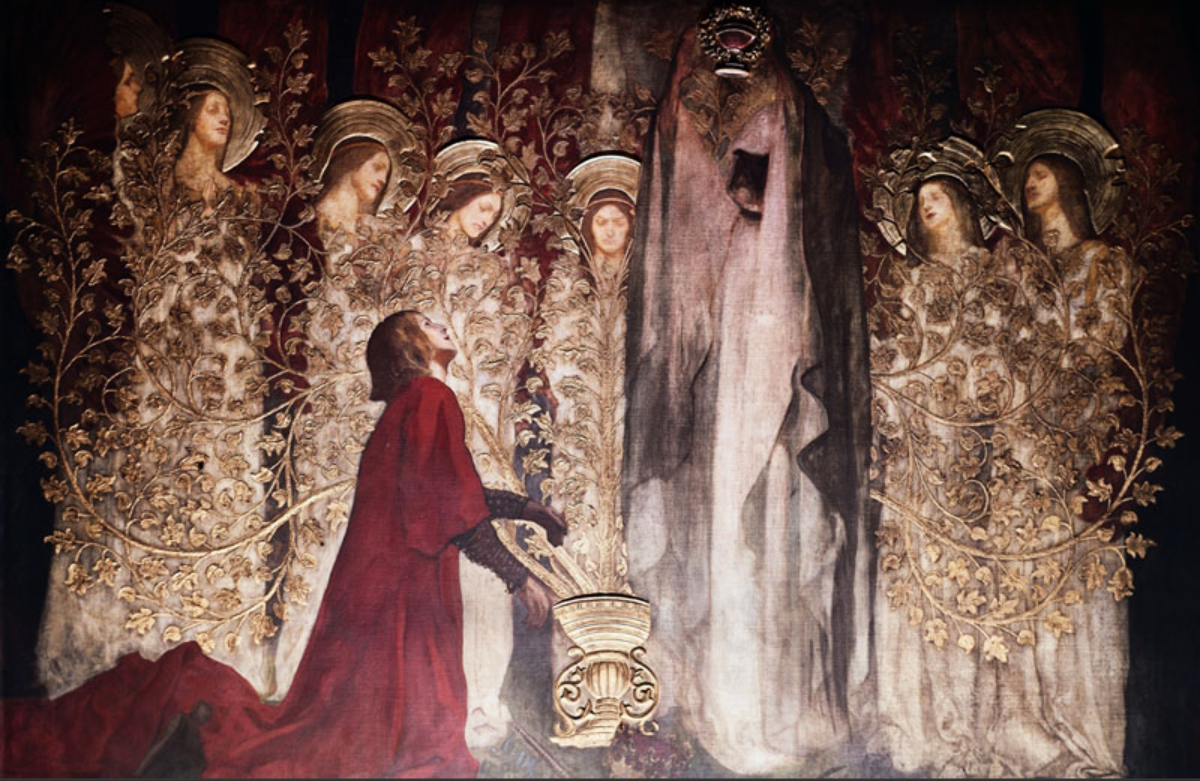
Sir Galahad and the Holy Grail

Edwin Austin Abbey – Sir Galahad and the Holy Grail – 1898-1901

It looks to me like the grail itself was painted in by another artist- the perspective is wrong, the colors don’t quite match – almost looks like a sticker pasted on…

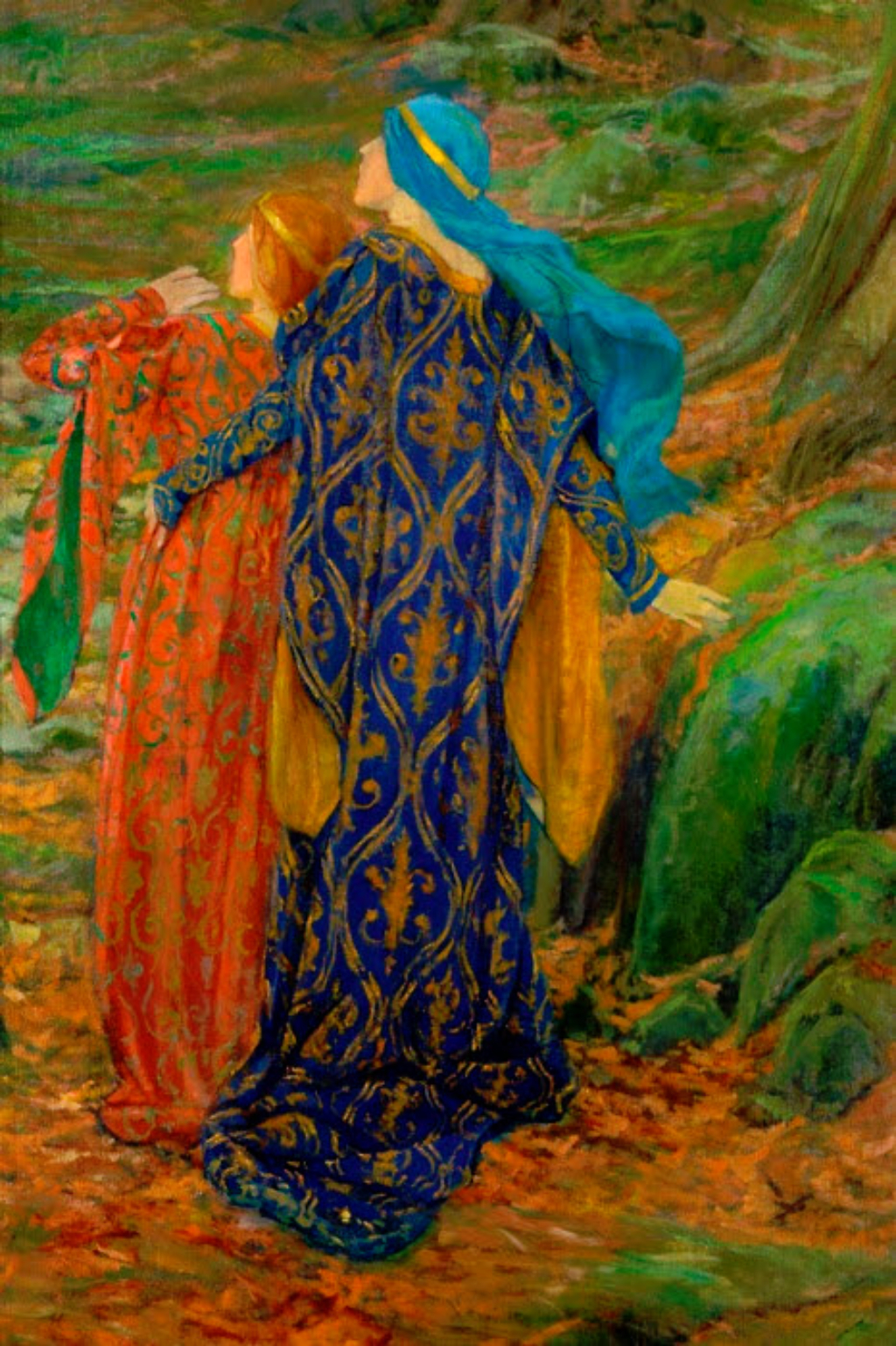
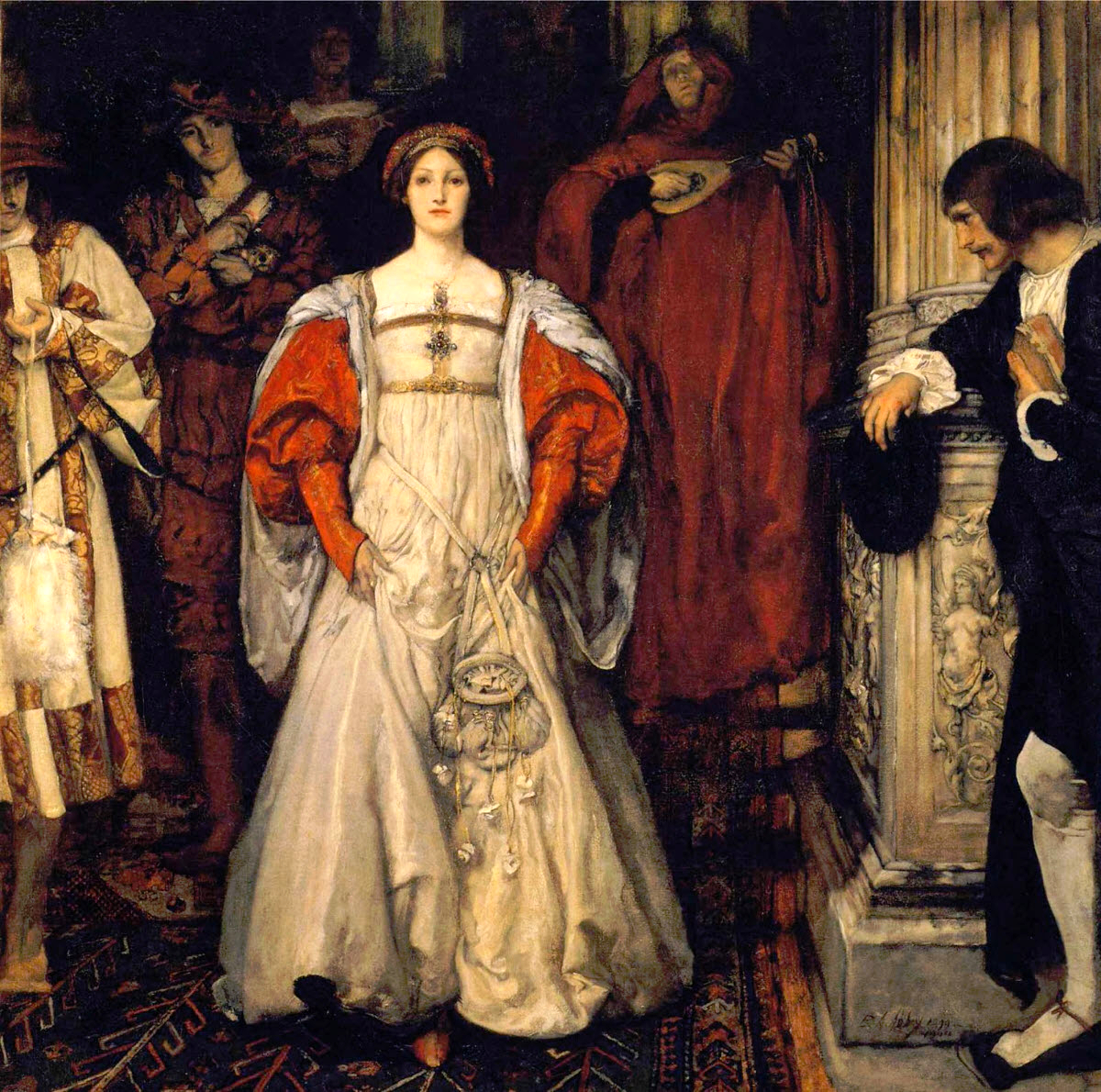
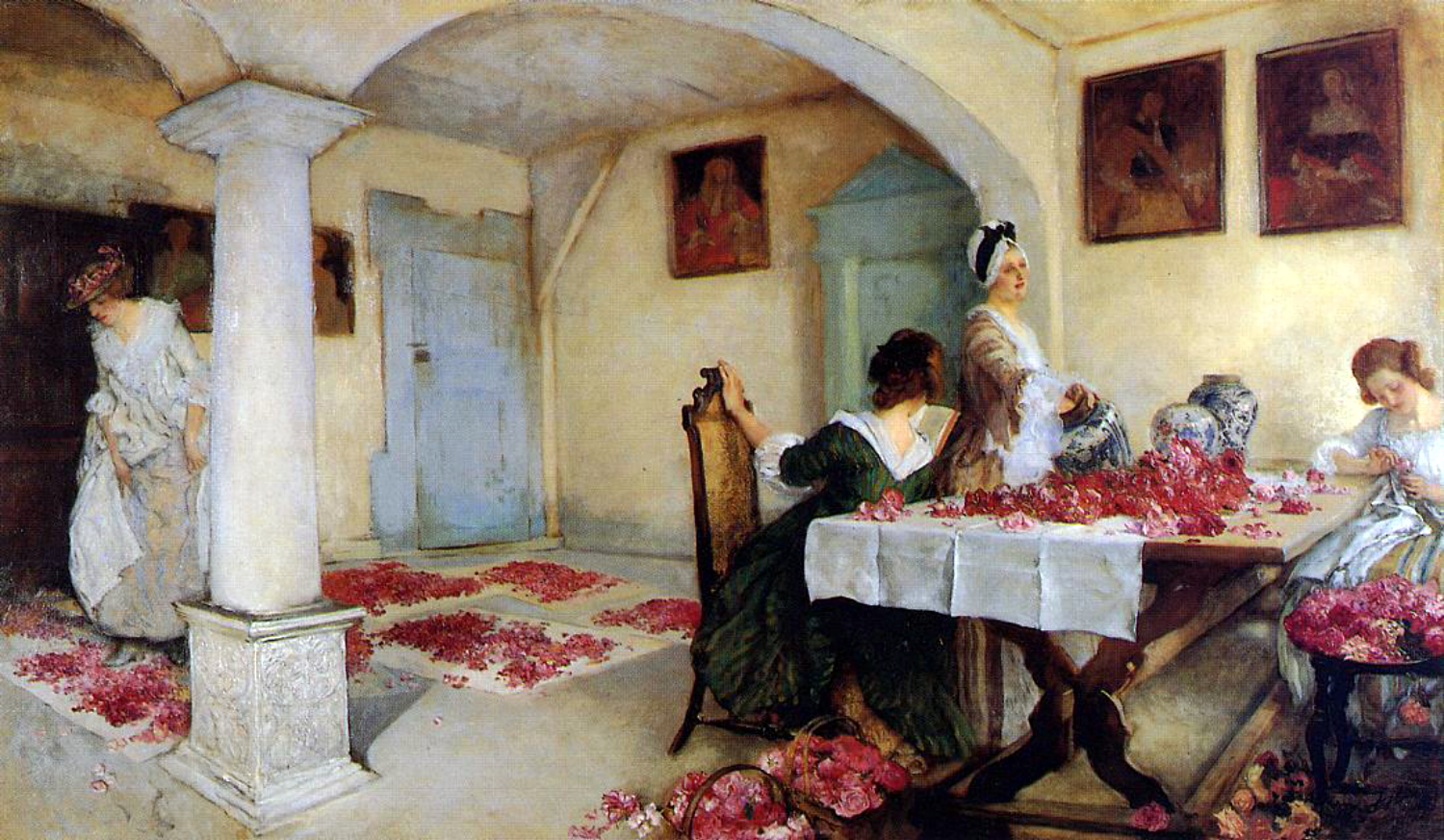
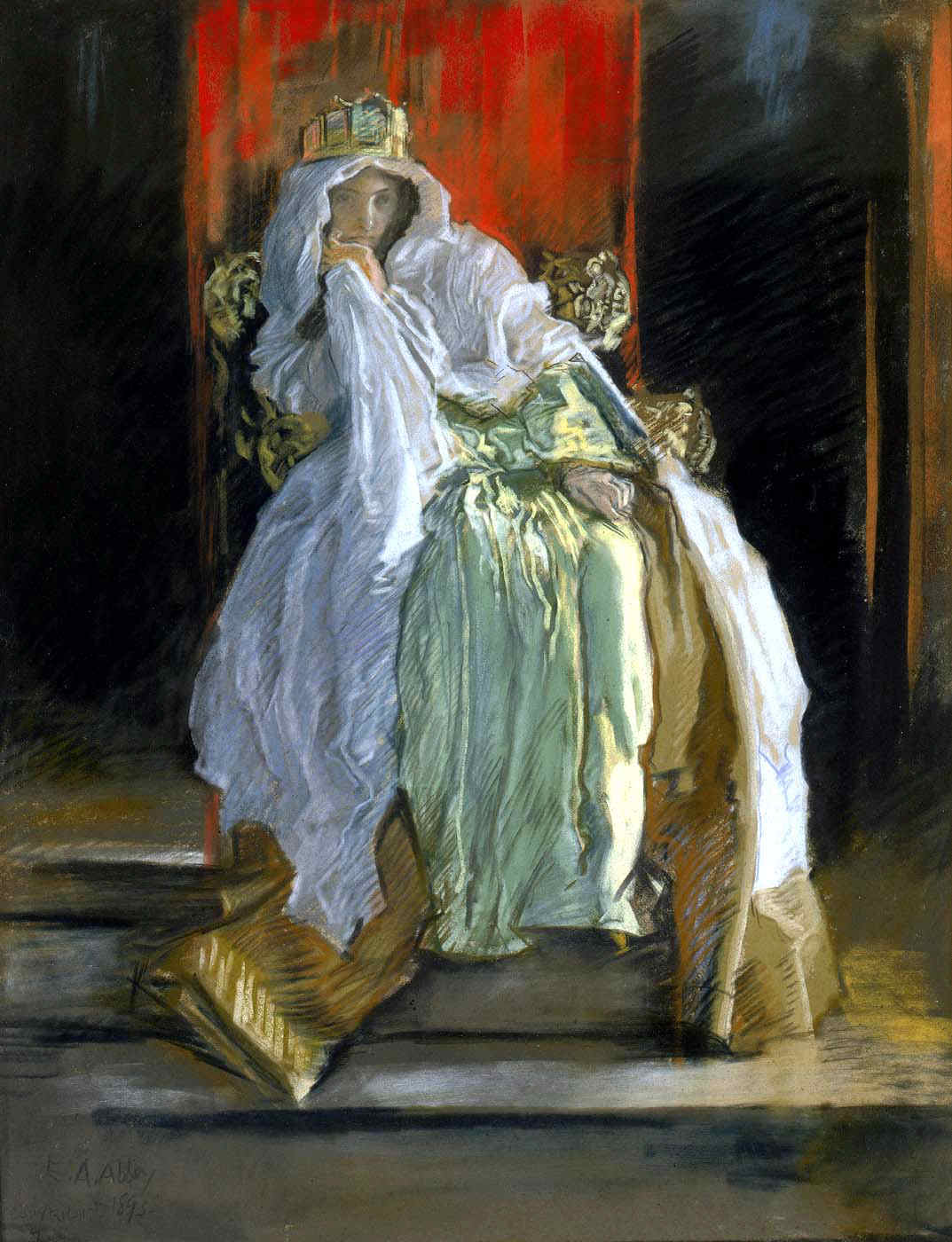
Edwin Austin Abbey Weeks at TechnoChitlins

Edward Austin Abbey by John Singer Sargent

Wikipedia:

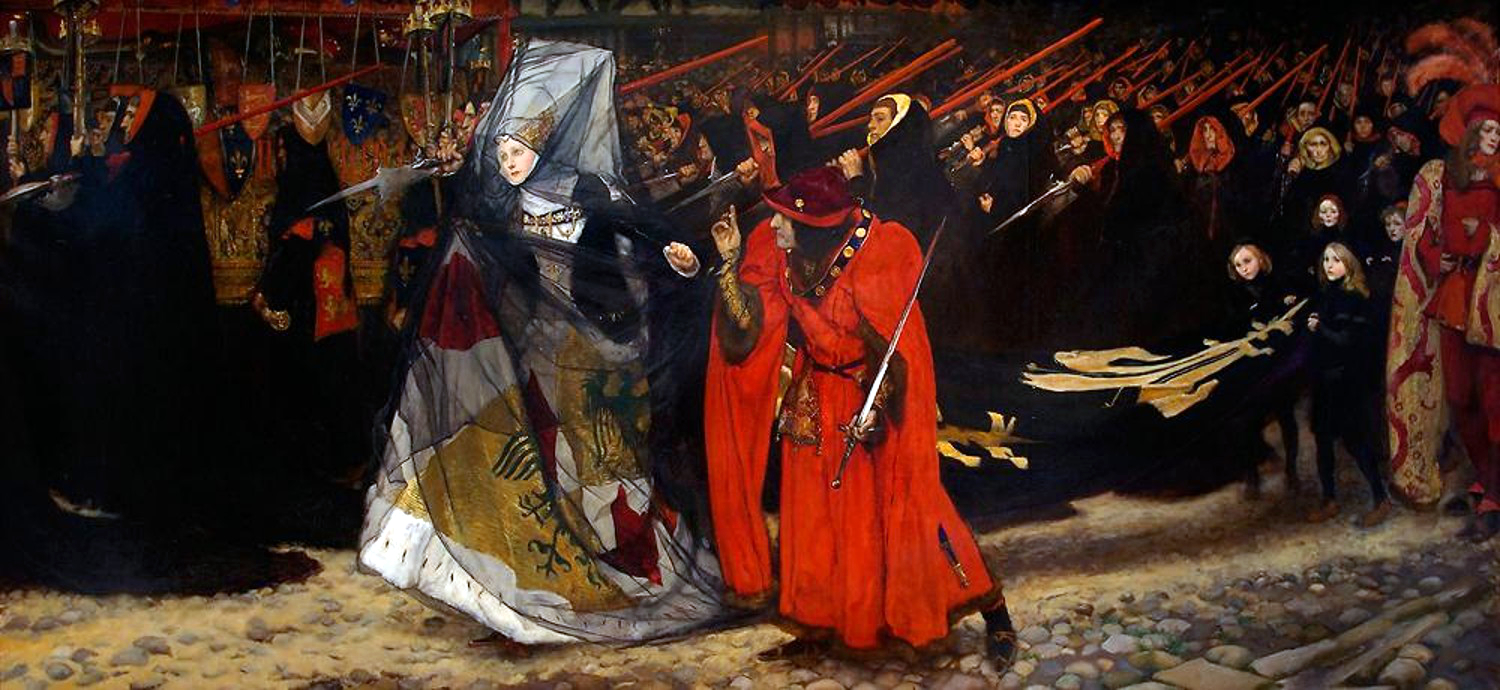
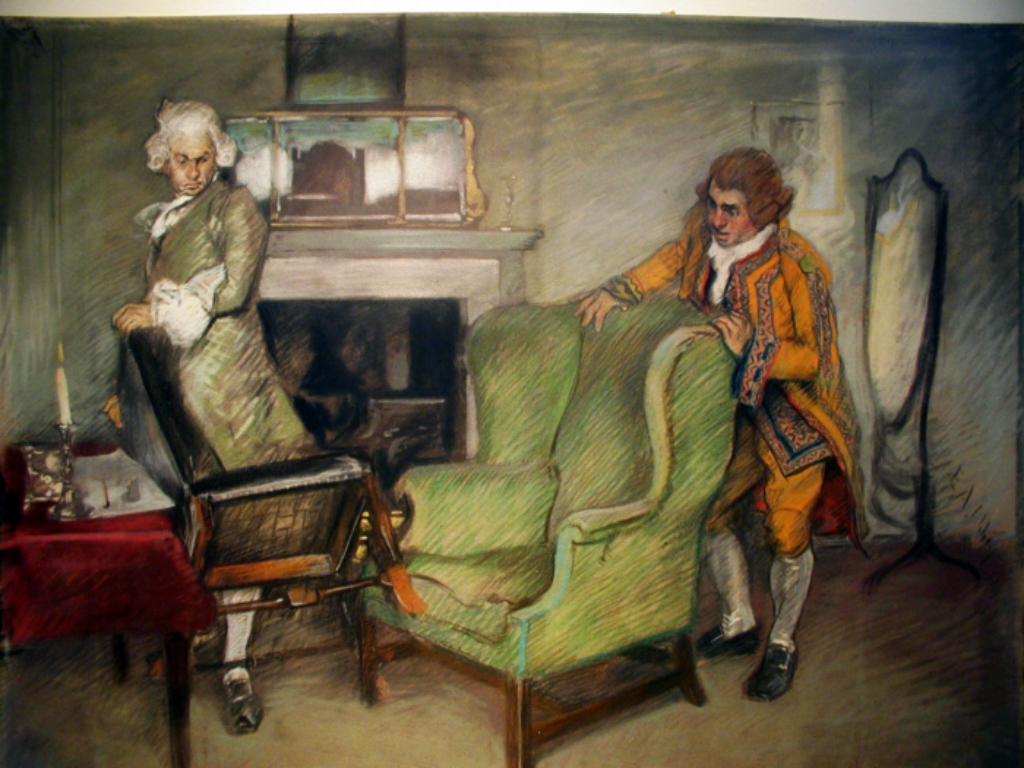
Abbey was born in Philadelphia in 1852. He studied art at the Pennsylvania Academy of the Fine Arts[4] under Christian Schuessele. Abbey began as an illustrator, producing numerous illustrations and sketches for such magazines as Harper’s Weekly (1871–1874) and Scribner’s Magazine. His illustrations began appearing in Harper’s Weekly at an early age: before Abbey was twenty years old. He moved to New York City in 1871. His illustrations were strongly influenced by French and German black and white art.[5] He also illustrated several best-selling books, including Christmas Stories by Charles Dickens (1875), Selections from the Poetry of Robert Herrick (1882), and She Stoops to Conquer by Oliver Goldsmith (1887). Abbey also illustrated a four-volume set of The Comedies of Shakespeare for Harper & Brothers in 1896.

He moved to England in 1878, at the request of his employers, to gather material concerning Robert Herrick,[1] and he settled permanently there in 1883.[6] In 1883, he was elected to the Royal Institute of Painters in Water-Colours.[1]


He was made a full member of the Royal Academy in 1898. In 1902 he was chosen to paint the coronation of King Edward VII. It was the official painting of the occasion and, hence, resides at Buckingham Palace. He did receive a knighthood,[6] although some say he refused it in 1907. Friendly with other expatriate American artists, he summered at Broadway, Worcestershire, England, where he painted and vacationed alongside John Singer Sargent at the home of Francis Davis Millet.

He completed murals for the Boston Public Library in the 1890s. The frieze for the Library was titled “The Quest and Achievement of the Holy Grail”. It took Abbey eleven years to complete this series of murals in his England studio.

In 1904 he painted a mural for the Royal Exchange, London Reconciliation of the Skinners & Merchant Taylors’ Companies by Lord Mayor Billesden, 1484.

Another Usaian (thanks Sarah Hoyt!) who overcame a lack of formal education through raw talent and determination.