Ancestor


…art, music, and opinions from Lower Alabama
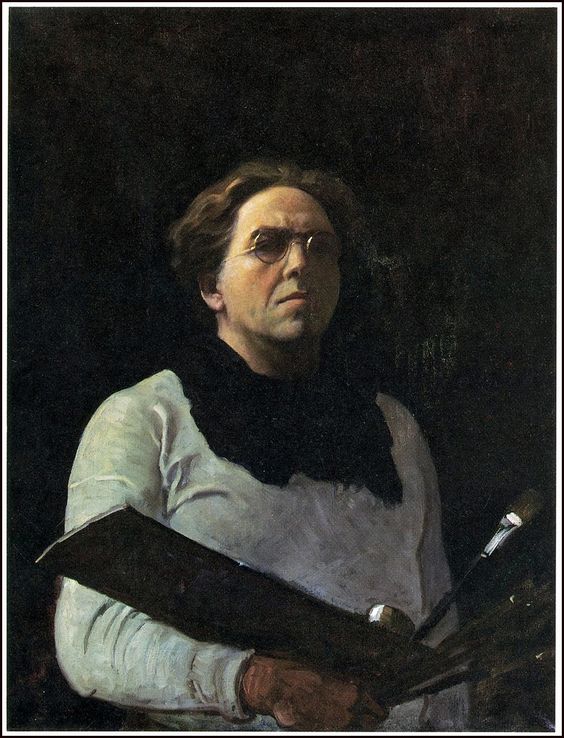
Wikipedia:
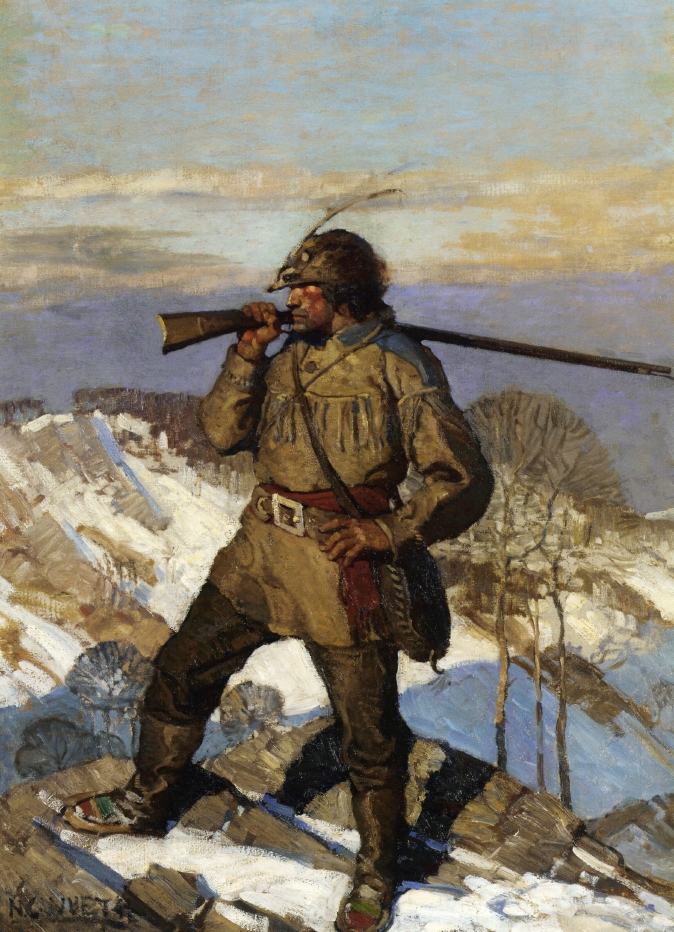
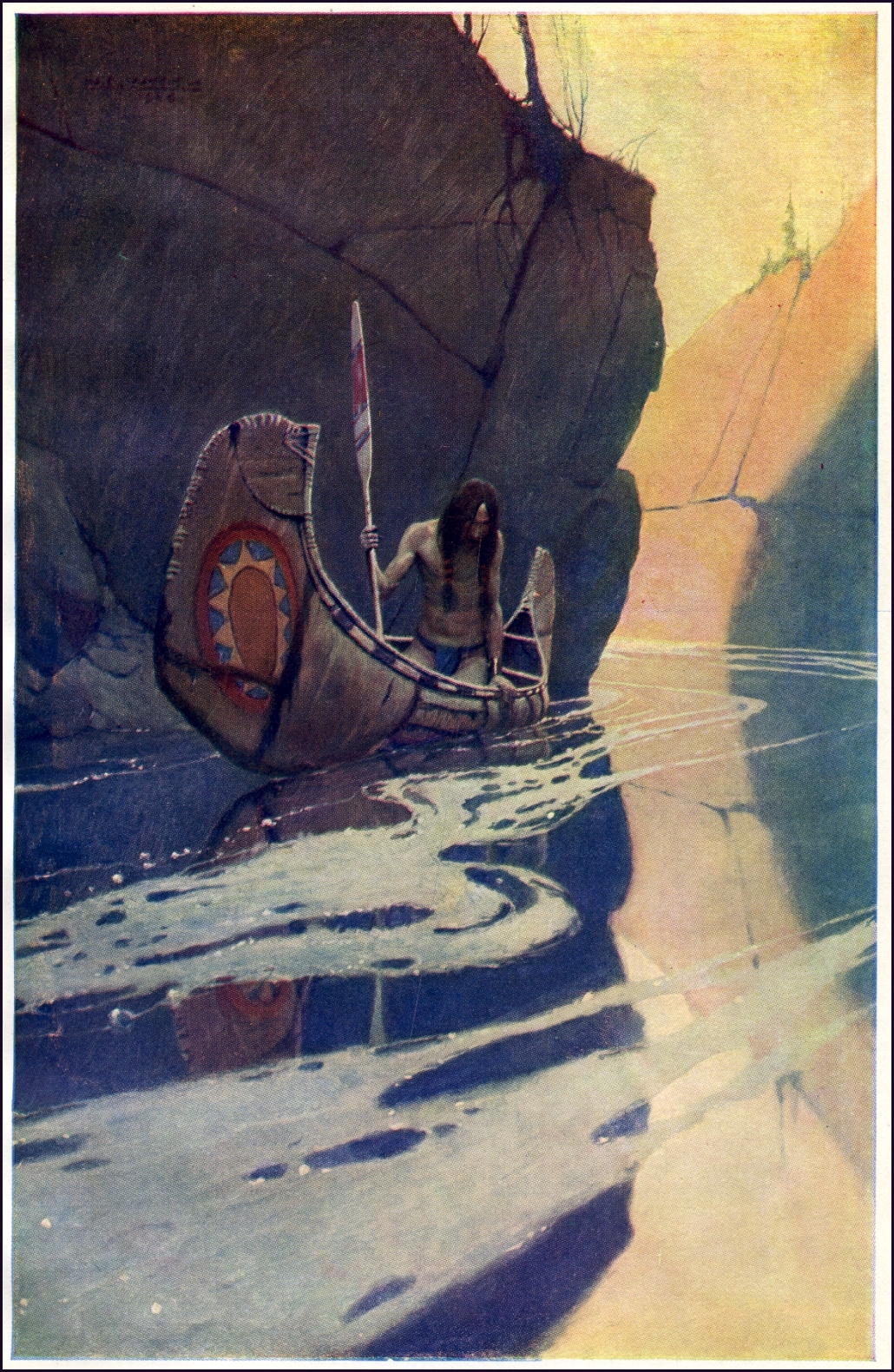
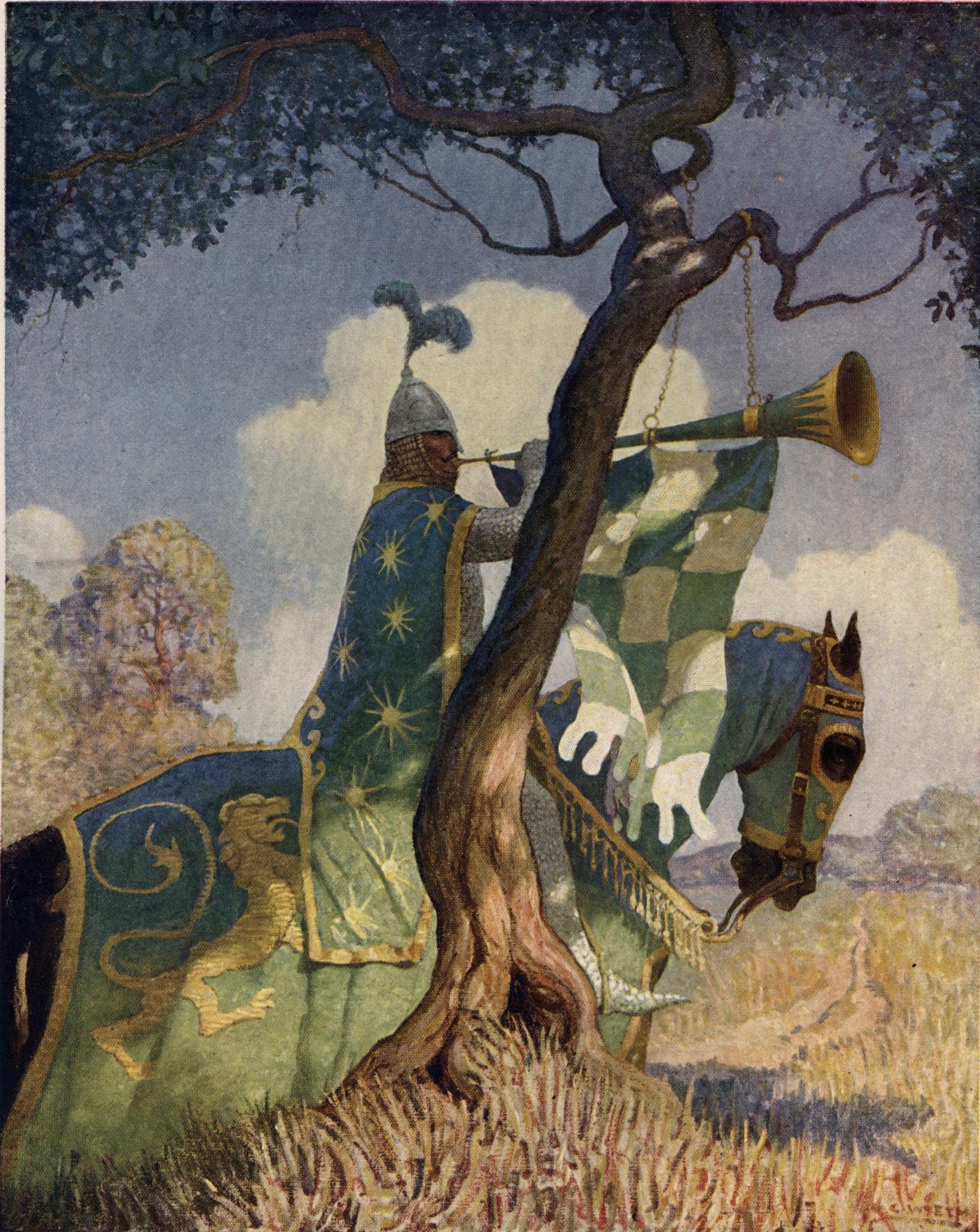
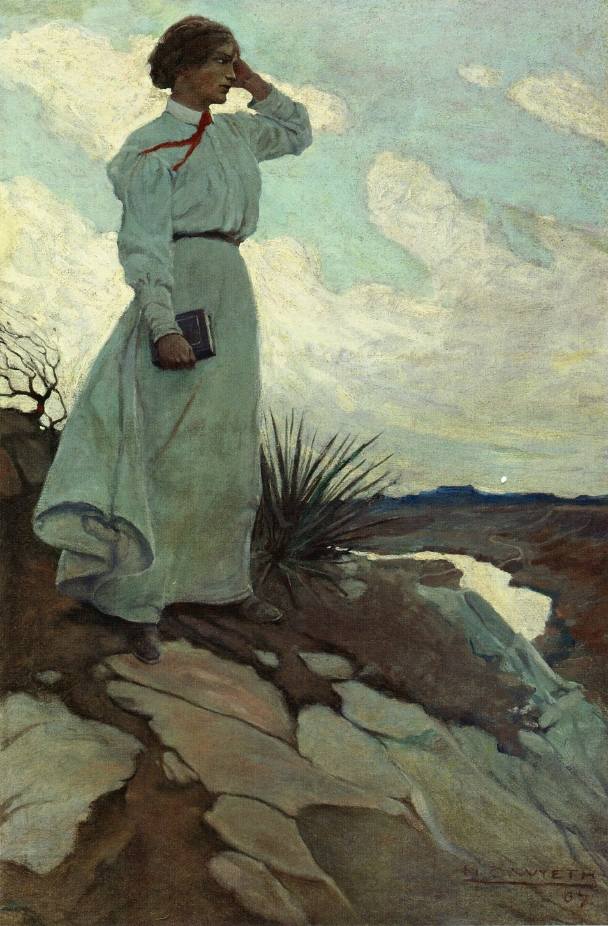
Newell Convers Wyeth (October 22, 1882 – October 19, 1945), known as N. C. Wyeth, was an American artist and illustrator. He was the pupil of artistHoward Pyle and became one of America’s greatest illustrators.[1] During his lifetime, Wyeth created over 3,000 paintings and illustrated 112 books,[2] 25 of them for Scribner’s, the Scribner Classics, which is the work for which he is best known.[1] The first of these, Treasure Island, was one of his masterpieces and the proceeds paid for his studio. Wyeth was a realist painter just as the camera and photography began to compete with his craft.[3]Sometimes seen as melodramatic, his illustrations were designed to be understood quickly.[4] Wyeth, who was both a painter and an illustrator, understood the difference, and said in 1908, “Painting and illustration cannot be mixed—one cannot merge from one into the other.”[3]
His illustrations of King Arthur and the Knights of the Round Table are among my favorites.
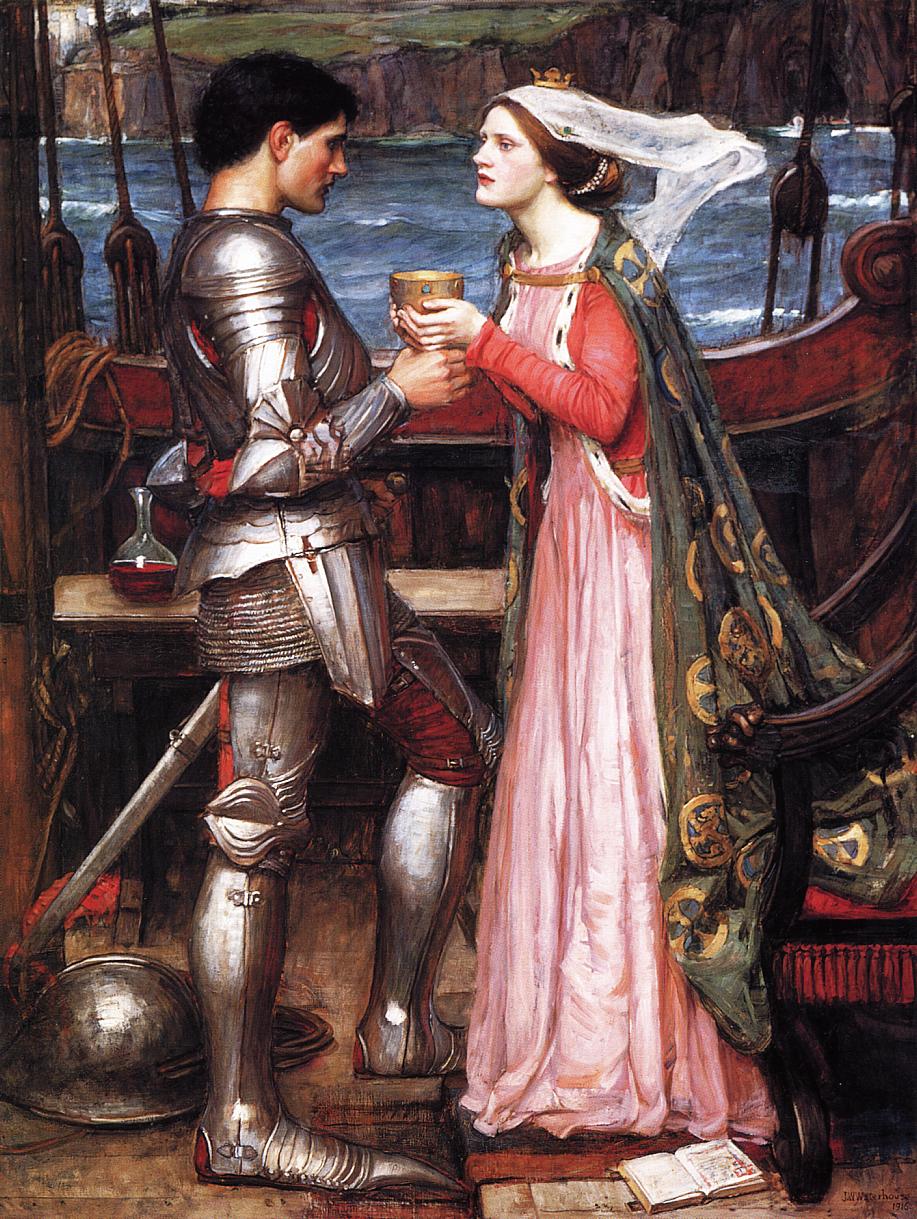
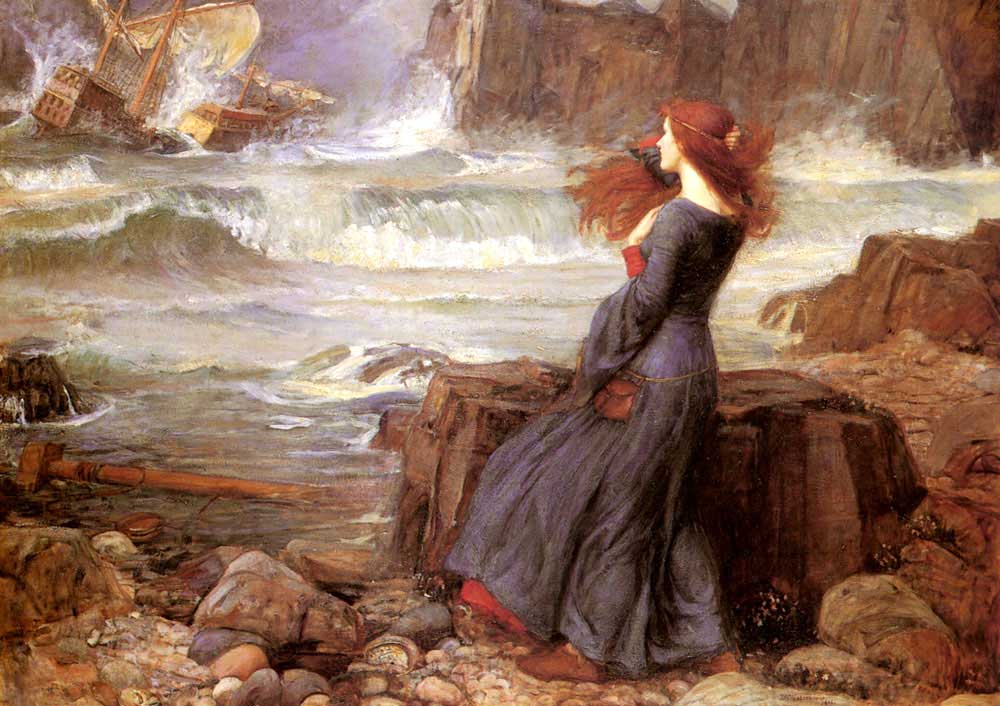
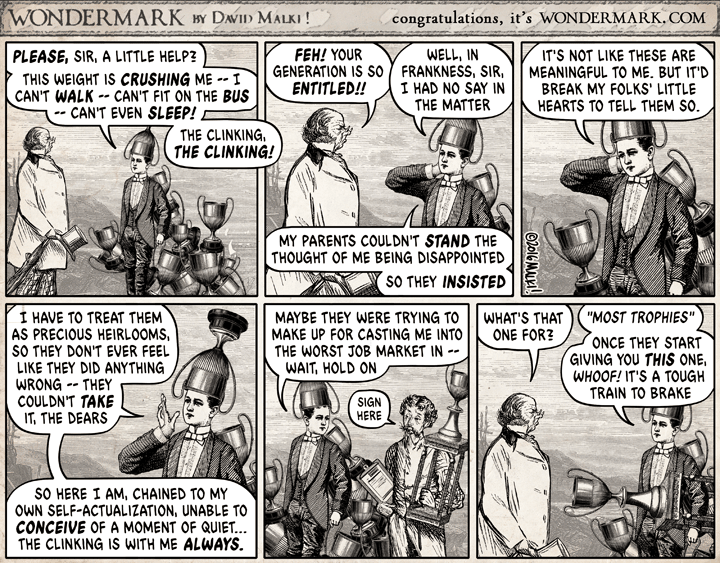
Life is like unto a female dog, then you shuffle off this mortal coil…
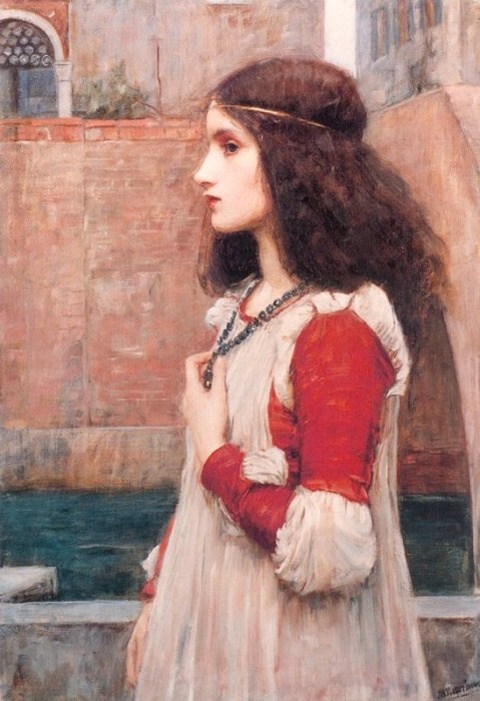
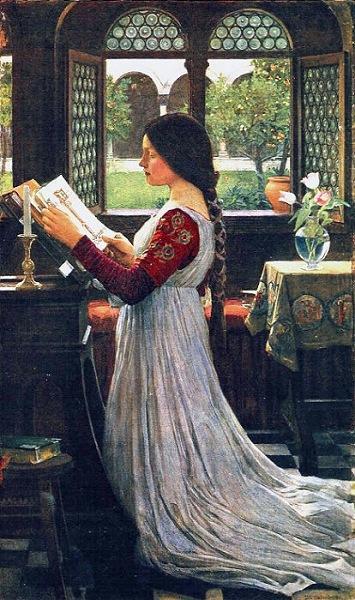
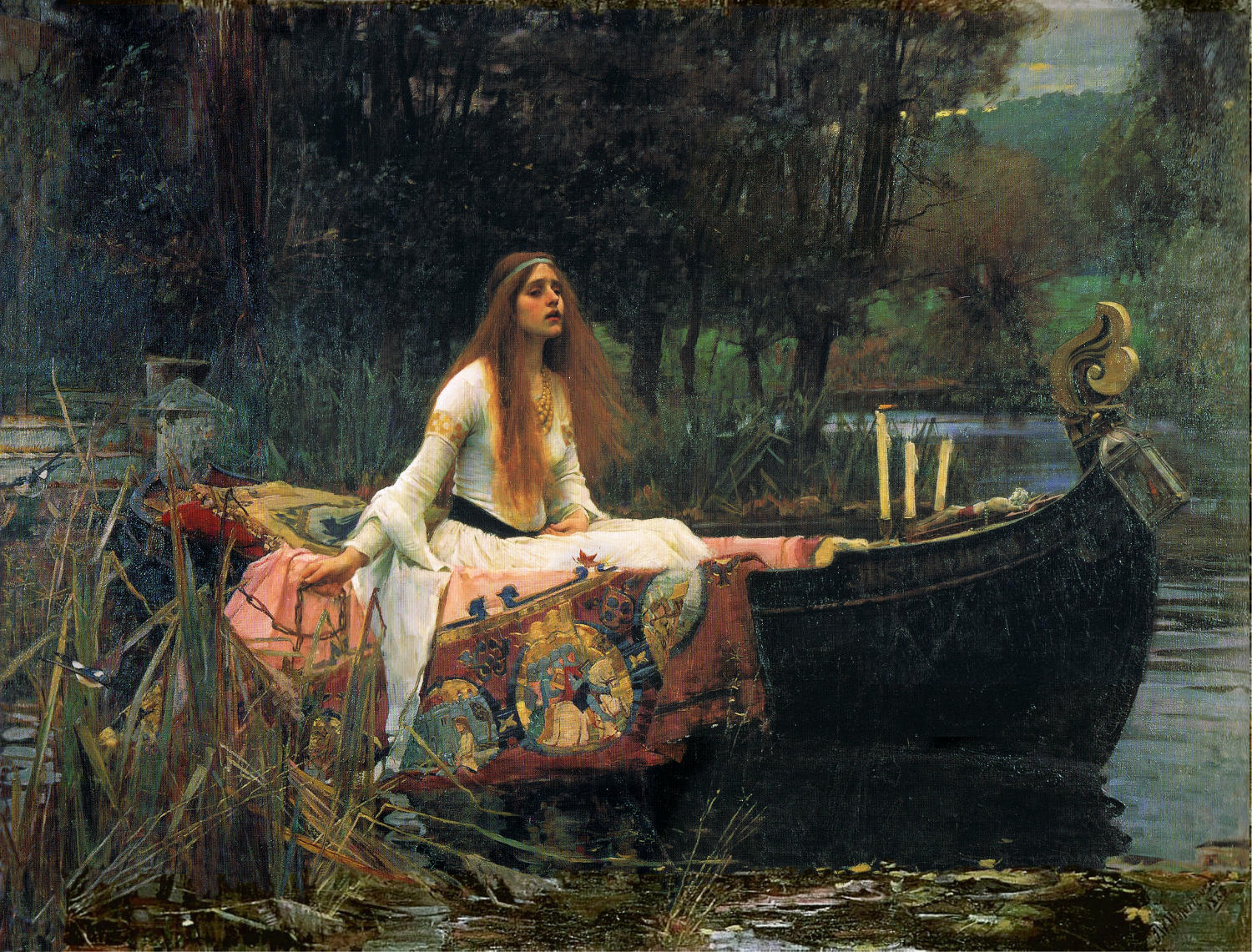
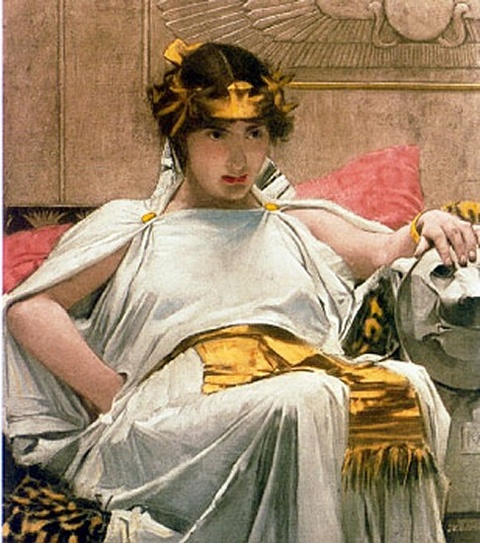
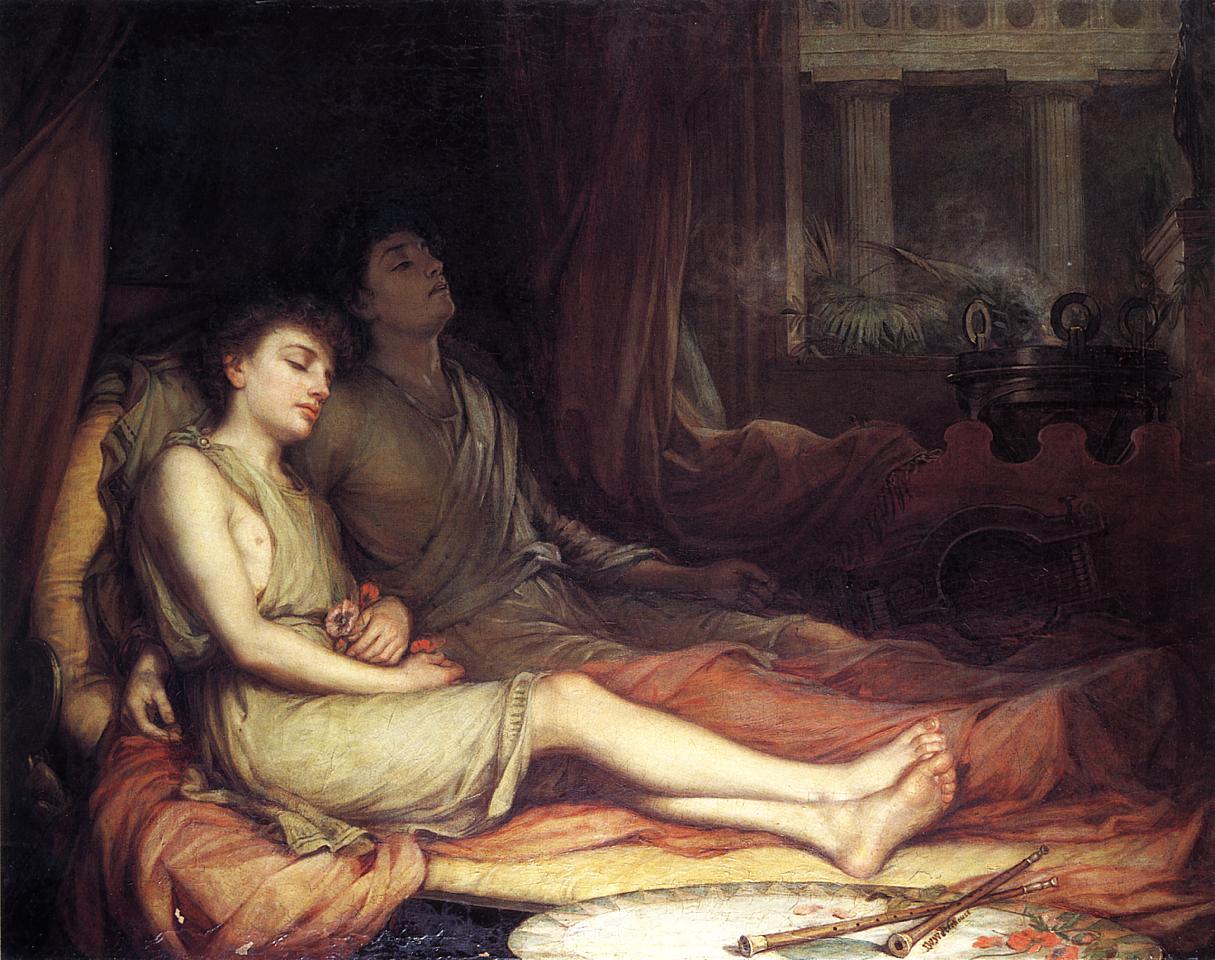
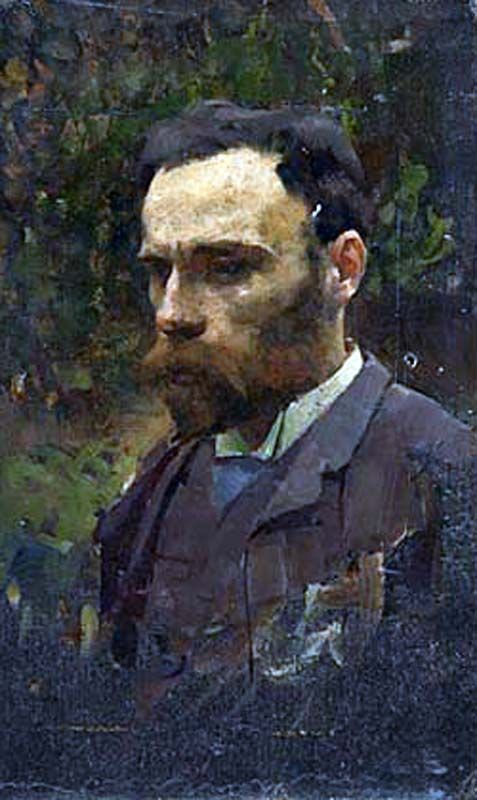
John William Waterhouse (April 6, 1849 – February 10, 1917) was an English painter known for working in the Pre-Raphaelite style. He worked several decades after the breakup of the Pre-Raphaelite Brotherhood, which had seen its heyday in the mid-nineteenth century, leading to his sobriquet“the modern Pre-Raphaelite”.[1] Borrowing stylistic influences not only from the earlier Pre-Raphaelites but also from his contemporaries, the Impressionists,[1] his artworks were known for their depictions of women from both ancient Greek mythology and Arthurian legend.
Born in Italy to English parents who were both painters, he later moved to London, where he enrolled in the Royal Academy of Art. He soon began exhibiting at their annual summer exhibitions, focusing on the creation of large canvas works depicting scenes from the daily life and mythology of ancient Greece. Later on in his career he came to embrace the Pre-Raphaelite style of painting despite the fact that it had gone out of fashion in the British art scene several decades before.
Although not as well known as earlier Pre-Raphaelite artists such as Dante Gabriel Rossetti, John Everett Millais and William Holman Hunt, Waterhouse’s work is currently displayed at several major British art galleries, and the Royal Academy of Art organised a major retrospective of his work in 2009.
Romantic pictures of pretty women and mythological creatures- what’s not to like?